One Enzyme Might Be Able To Make Energy Appear From Nowhere

Energy is something that we rely on for so much of the stuff we use every day. Without it, we wouldn’t be able to cook meals, explore the internet, or relax with the TV at the end of a long day. Unfortunately, producing energy isn’t necessarily that easy, with one of the biggest issues being how we can source it without harming the planet. Well, it’s possible that scientists might have now found a solution to that problem.
It appears that there’s an enzyme that is capable of producing electricity simply by using hydrogen that naturally occurs in the atmosphere. With enough time and research, it’s possible that we could use this as a source of energy, at least to some degree. How does it work, though, and what are the chances of it actually benefiting us in the future?
An enzyme in bacteria reportedly produces electrons when it consumes hydrogen
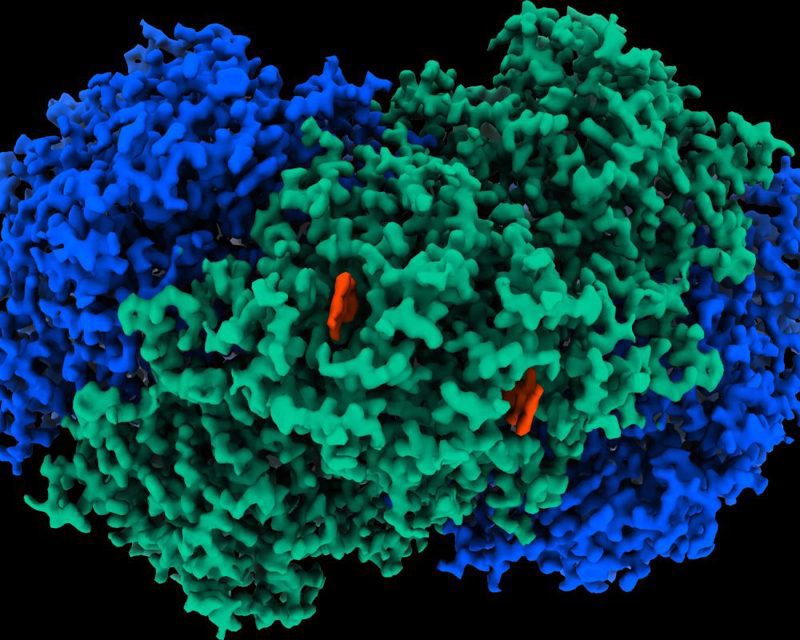
This incredible discovery reportedly comes courtesy of microbiologists at Monash University in Australia. They published their research in the scientific journal Nature, where they revealed that an enzyme called Huc can apparently produce electricity using hydrogen from the atmosphere. This enzyme is reportedly found in the bacteria Mycobacterium smegmatis, which apparently grows in harsh environments like volcanic craters and Antarctic soils. When the enzyme consumes hydrogen, it consequently produces electrons, hence the potential for it to become a source of electricity one day.
Enzymes like Huc could apparently be quite common around the world
Although Huc is apparently typically found in harsher environments, lead author Rhys Grinter reportedly believes that such enzymes could potentially be more common. He estimates that as much as 80% of the world’s bacteria might have enzymes like Huc. If that’s true, this stuff has the potential to be an excellent source of electricity while still utilizing the planet’s natural resources. The fact that Huc is so stable and able to continue producing electrons despite exposure to extremely high and low temperatures is also a huge positive. Is it possible that our appliances could all be powered by this enzyme and others like it one day, though?

These enzymes could potentially power small electronic appliances one day
As it stands, Huc reportedly has a ton of potential energy applications. However, none of these are of a significant scale. Right now, it can apparently be good for things like hydrogen sensors, as its electrical output can be measured to identify how much of the gas is present. There’s a decent chance that the enzyme could go on to be of greater benefit, though, with Grinter suggesting it could eventually be used for small electronic appliances. It all depends on the amount of hydrogen that the bacteria have access to. While “the sky is quite literally the limit” as the scientist points out, much more research is needed before this stuff can be useful to a wider audience.
In a time when clean energy sources seem to be the way forward, discoveries like this are hugely important. However, we don’t want to get too ahead of ourselves. With so much work still needed before these enzymes can be of significant use, it could be a long while before we see any serious applications of this stuff.
You May Also Like
 Education
The Difference Between Correlation and Causation
 Science
Why Some Studies Cannot Be Replicated
 Science
How to Tell a Breakthrough From a Press Release