6 Terms For Severe Weather To Learn Before The Spring

With winter finally on its way out and spring ready to warm things up again, you might notice that the atmosphere seems to be a little restless right now. This isn't necessarily unexpected as the cold weather starts to heat up. Unfortunately, this can be a problem as it may result in more unpredictable and maybe even dangerous weather.
To ensure that you don't put yourself in danger during this transition, it's worth getting to know some of the terms for severe weather to learn before the spring. That way, you'll know exactly what to expect if you watch a weather report and they use these terms to warn you about what's coming.
1. Watch talks about severe weather coming soon
Watch is a word that has several meanings, so we wouldn't blame you if you didn't understand the context of it in meteorology. Typically, if this term is used in a weather report, it means that a dangerous weather event is likely to develop in the near future. If you hear talk of a tornado watch or something along those lines, you need to get yourself to safety and keep an eye on further updates. Even if your location might not be affected that much, it's always better to be safe than sorry with this sort of thing.
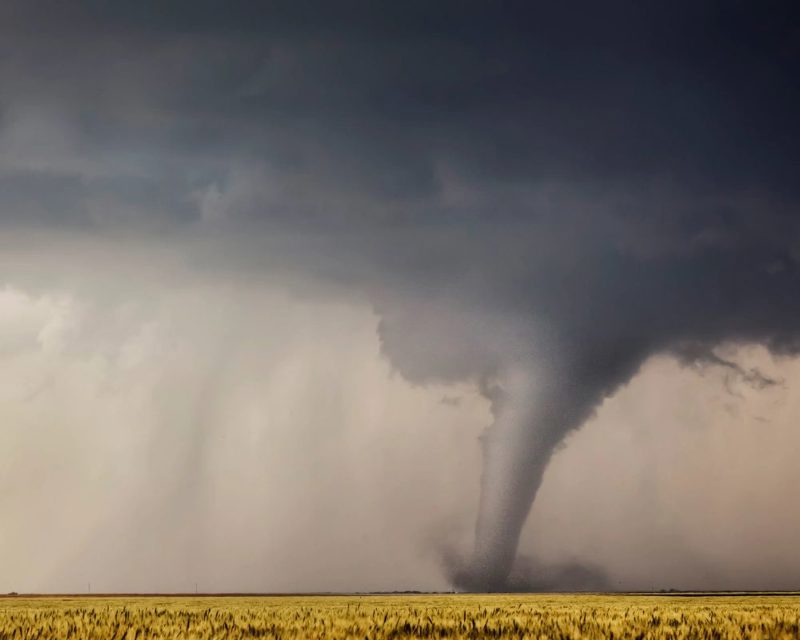
2. Tornado is used to describe a column of air
When you live in the US, you become accustomed to the threat of tornadoes. Of course, these aren't always something to worry about. Most of them tend to be small and incapable of doing damage, but there are some that you should be afraid of. These are usually the ones with the larger condensation funnel, which is the swirling shape you see moving through the air. If they're strong enough, they have the ability to completely destroy entire neighborhoods. You should definitely stay away if one is reported, especially if it's accompanied by heavy rain, because you might not be able to see it coming.
3. Severe thunderstorm talks about storms over a certain speed
If a meteorologist starts talking about severe thunderstorms, it's not hard to imagine what might be coming your way. Still, do you know exactly what to expect when people say that a severe thunderstorm is on the horizon? Apparently, such a weather event can produce hail as big as quarters and have wind speeds of around 58 miles per hour. These storms can be akin to a tornado, with the hail possibly able to break windows. So, you should avoid going out in one and make sure you hunker down in a secure building, lest you face serious injury or worse.

4. Storm Prediction Center is a center used to predict the weather
If you ever hear mention of the Storm Prediction Center or SPC, it's referring to one of the National Weather Service's branches that's devoted to predicting severe storms. It's thanks to the people who work here that we're able to know what we do about the thunderstorms that come our way. They provide forecasts as much as seven days in advance and categorize each storm as a certain risk level. At this time of year, it's worth keeping updated on what they have to say, as their warnings could save you from being on the wrong end of a storm.
5. Advisory is one step below the most severe weather
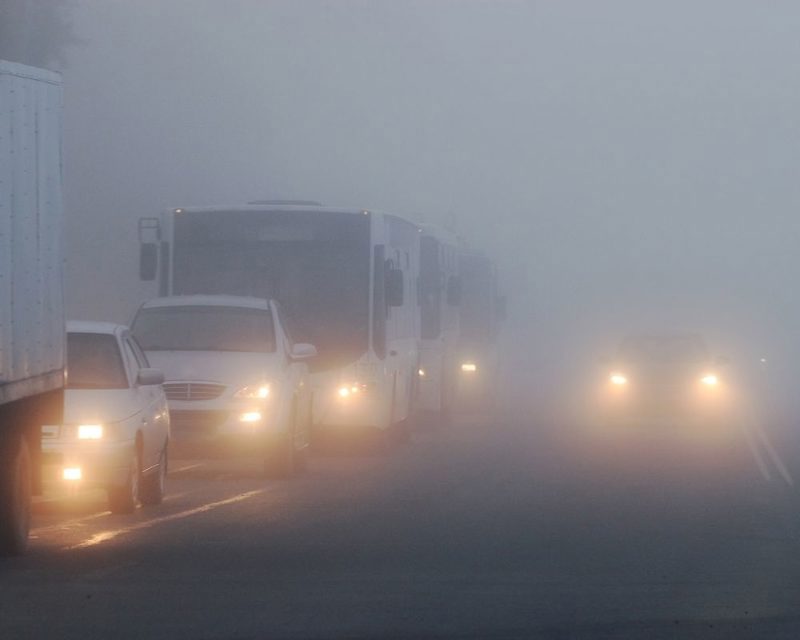
There are several levels of alert that you should be aware of when it comes to severe weather. If watch is the first level, advisory is the second. The latter tends to be more urgent, meaning you have less time to get yourself to safety before you're affected by whatever's coming. You tend to get advisories for things like heavy fog, high winds, possible flooding, and other similar issues. The threat to life may not be as severe as something like a tornado, but you can still get hurt or worse if you're out when these weather events hit.
6. Warning means we need to get to safety as soon as possible
The third level of alert for severe weather is warning. Once again, there's greater urgency here, with warnings meant to inform people that their immediate safety is at risk. These may come just 15 to 30 minutes before a storm or tornado hits, so you don't have much time to prepare. That's assuming the experts are able to see the weather event coming, of course. Sometimes, there's little to no warning at all, so you have to be prepared. If the warning gets upgraded to an emergency, you know that trouble is right on your front porch.
Whether you like to stay updated on the weather or not, it's worth knowing the terms for severe weather to learn before the spring. This time of year can produce some severe storms and other dangerous events, so it pays to be prepared. Otherwise, you may get caught in something unexpected.
You May Also Like
 Education
The Difference Between Correlation and Causation
 Science
Why Some Studies Cannot Be Replicated
 Science
How to Tell a Breakthrough From a Press Release