It Turns Out Stressed Plants Actually Scream

When you experience pain, you might scream out. It’s a natural reaction - one that can be difficult to suppress at times - and it’s something that isn’t exclusive to humans. You’ll likely hear plenty of animals scream or make similar sounds in the same circumstances, as well as some plants.
The latter may be hard to believe. After all, if plants can scream, then why have we not all heard it before? However, apparently it is possible for them to react in this way when subjected to pain. It’s just that the frequency is too high for our ears to detect.
A plant apparently screams when deprived of water or damaged
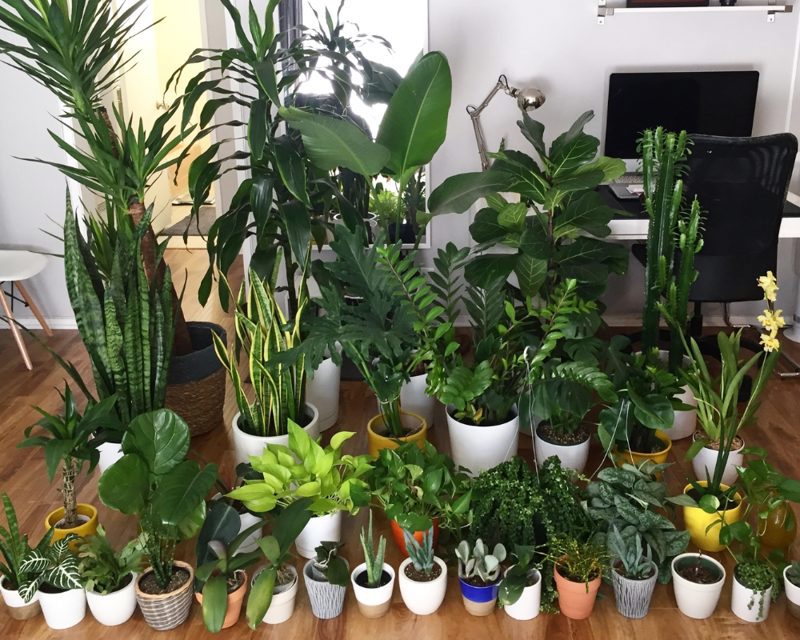
According to a team of researchers in the journal ‘Cell,’ various plants can make sounds equatable to screams when damaged or deprived of water. While we can’t hear these sounds, if the frequency is lowered, the noise they make is apparently akin to someone popping bubble wrap. It’s a shame that such distress escapes our attention because knowing that a plant is damaged or needs water could ensure its survival. Of course, now that scientists have discovered these findings, it’s possible they could create mainstream devices for people to hear these “screams.”
The popping supposedly occurs because of a process called cavitation
A popping sound might not quite have the same impact as a human scream. However, the reason that plants create such a noise is apparently due to cavitation. This is a process where air bubbles form and then collapse in a plant’s vasculature tissue. Supposedly, it occurs most often when there’s no water around. The scientists opted to test this by placing several healthy and stressed plants in soundproof environments. The stressed plants were either lacking in hydration or had their stems cut, and the researchers expected these to be far more audible than their healthy counterparts. Recording devices were set up at the right frequency to capture any sounds.
Distressed plants recorded far more “screams” an hour than healthy plants
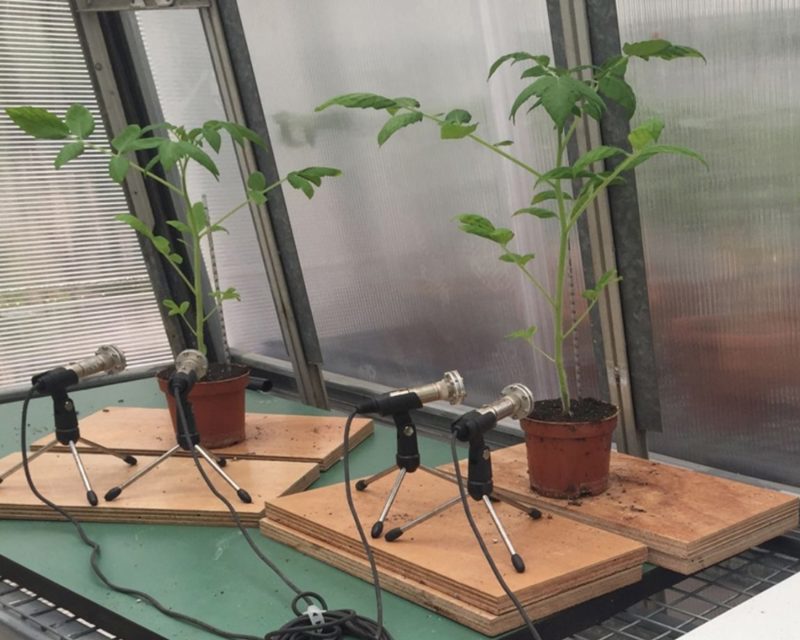
After the experiment, the scientists found that their predictions were correct. While healthy plants reportedly produced less than one pop an hour, stressed plants had upwards of 11 each hour. Tomato plants that were dehydrated were apparently the noisiest, as these produced as many as 40 pops an hour. If farmers were able to hear those “screams,” it would potentially make the difference between a healthy harvest and crop failure. The researchers apparently applied their experiment to a variety of different plants, including wheat and corn, all of which made sounds when distressed. So, it’s safe to say that the sooner humans can hear these popping noises, the better.
For the longest time, many people assumed plants to be silent. However, this research proves that this isn’t the case, and it leads us to speculate what other sounds they could produce. We’ll have to leave it up to the experts to find out.
You May Also Like
 Education
The Difference Between Correlation and Causation
 Science
Why Some Studies Cannot Be Replicated
 Science
How to Tell a Breakthrough From a Press Release