6 Ways The Past - Quite Literally - Stank

If you had a time machine, where would you go: forward or backward in time? While plenty want to know what life on Earth will look like generations down the line, others can't help but wonder what life was really like all those years ago. The problem? It stuck - quite literally.
Deodorant wasn't invented until 1888, and it might not take long into your trip back in time to realize you're grateful your nose never had to deal with the great stenches of the time. Sure, they had a lot of other things to worry about, but it can be tough to understand just how stinky the past really got.
Body odor affected people from all walks of life
How many showers do you take a day? While some stick with one, others like to keep things fresh all throughout the day. What about taking a bath just once a month? That's supposedly what Queen Elizabeth I declared - and that was a lot for the time. It's said that people who bought cheap tickets to Shakespeare's Globe were better known as "Penny Stinkards," but what about those with money? King Henry VIII was no better, as the monarch later grew to enormous sizes and had an open festering wound on one of his legs that could supposedly be smelt from rooms away.

Having bad breath was a common part of life in the past
Bathing was one thing, but dental hygiene was all but non-existent in the past. Louis XIV of France was particularly famous for his bad breath. The problem? Apparently, the king had surgery to remove some teeth years before that left puncture wounds in his palate, meaning food would often get stuck in his mouth. The only kind of dental hygiene at the time involved using toothpicks or, if you were lucky, a sponge that had been soaked in drink.
A lack of plumbing meant waste filled the streets
Many people take their indoor plumbing for granted. After all, it's been a part of our lives since the day we were born for most people, but our ancestors weren't that lucky. Night soil men worked through the night at the edge of cities to try and clear the backlog of human waste that filled the streets. In fact, things got so bad in London in 1858 that The Great Stink of London gripped the city. Sewage ran into the River Thames, and the rising temperatures meant it all just cooked, with parliament shutting down when they couldn't cover the smell. Apparently, they even believed this was carrying diseases. Things weren't much better across the pond in 1835 New York. Here, around 10,000 horses took people about the city, with about 400,000 pounds of droppings filling the street each day. The problem? It was merely just pushed to the sides of the road.
A lack of technology didn't help with the stench
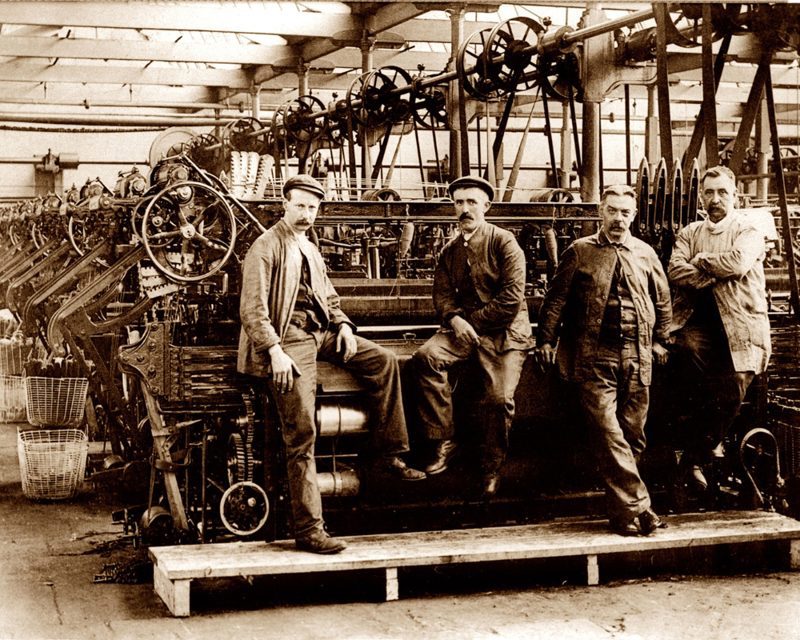
The industrial revolutions have seen things come a long way, but that doesn't mean they weren't without their issues - such as the smell. Wool making used to involve using stale waste products to make the wool whiter. Then there were the factories themselves, with Victorian England allegedly having factories filled with vomit, suffocating smoke, and fumes that had nowhere to go.
Garbage was piled high around towns and cities
Cleaning up garbage was low on people's priorities back in the day, meaning that even if you kept far enough away from people with BO and bad breath, you were still likely to be plagued by a horrific smell. Rotten food piled up and was often joined by the bodies of pigs, rats, dogs, and cats, who all lost their lives and were left to rot. Even the floors of homes were covered with filth. It's said that British homes in the 16th century were made with clay floors that were never cleared, with animal droppings, vomit, and rotten food all just getting trodden into the floor for decades.
People dropping like flies made the past smell even worse
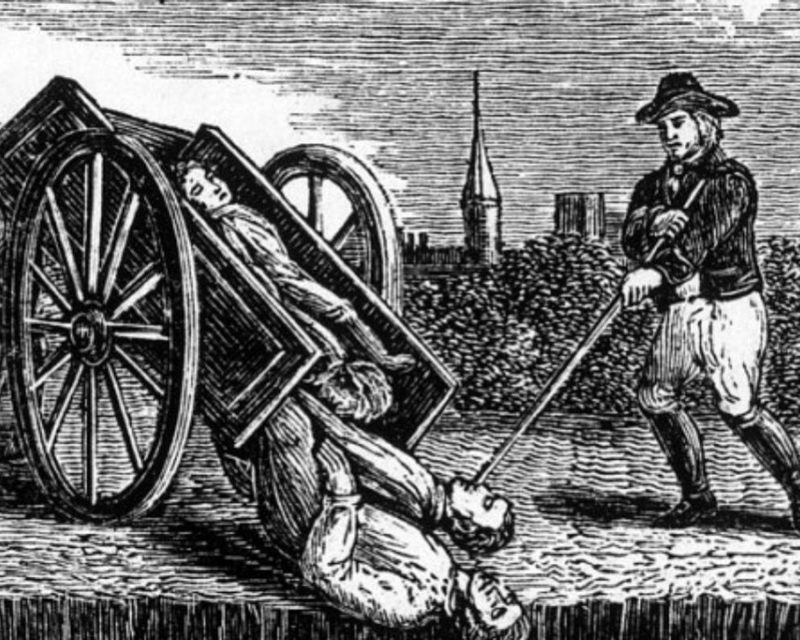
Feeding all those people in the cities wasn't easy back in the day, with butchers in London using the River Thames to dispose of animal parts when they were done. The issue was that blood ran through the streets, and body parts were often forgotten and left to rot. They weren't the only issue. Grand disasters, like the Black Plague, saw millions of people losing their lives, with people running out of places to keep the bodies. Some countries piled them in cellars, the Ancient Romans cremated people in the streets, and cadavers became popular in the medical field - but they didn't have the right storage.
While it might feel as though the world now stinks on occasion, it might be nothing compared to the ways the past - quite literally - stank in so many ways.
You May Also Like
 Education
The Difference Between Correlation and Causation
 Science
Why Some Studies Cannot Be Replicated
 Science
How to Tell a Breakthrough From a Press Release