The Longest Living Animals Found Across The Planet

The average life expectancy for someone in the United States is reportedly around 75 to 80 years, depending on if you’re male or female. To some, that probably seems like a long time, and it is. However, when you look at the life expectancy of other animals, it can pale in comparison.
While we might typically outlive the likes of dogs, cats, and rabbits, there are other lifeforms we simply can’t compare to. Some of these are potentially even considered to be immortal, which makes our lifespan seem like nothing. So, what are the longest living animals found across the planet that have us beat?
Bowhead whales may live to be more than 200 years old
When it comes to mammals, there’s apparently none that live longer than the bowhead whale. Generally found in arctic and sub-arctic environments, it’s hard to pinpoint precisely what their average lifespan is. However, the National Oceanic and Atmospheric Administration states that they could live to be more than 200 years old. At the very least, there’s evidence that suggests they live comfortably past 100, which is reportedly down to certain gene mutations that can repair DNA.
Rougheye rockfish have been known to live past 200 years old
Ask the Washington Department of Fish and Wildlife about the rougheye rockfish, and they’ll likely tell you that these creatures can live to be at least 205 years old. Much like bowhead whales, these Pacific Ocean dwellers are reportedly aided by the ability to repair DNA in their genetics. These can apparently keep cancers at bay and ensure the fish stick around far longer than the rest of us. Unfortunately, these creatures can also fall victim to overfishing, which can really cut their lengthy lifespan short.
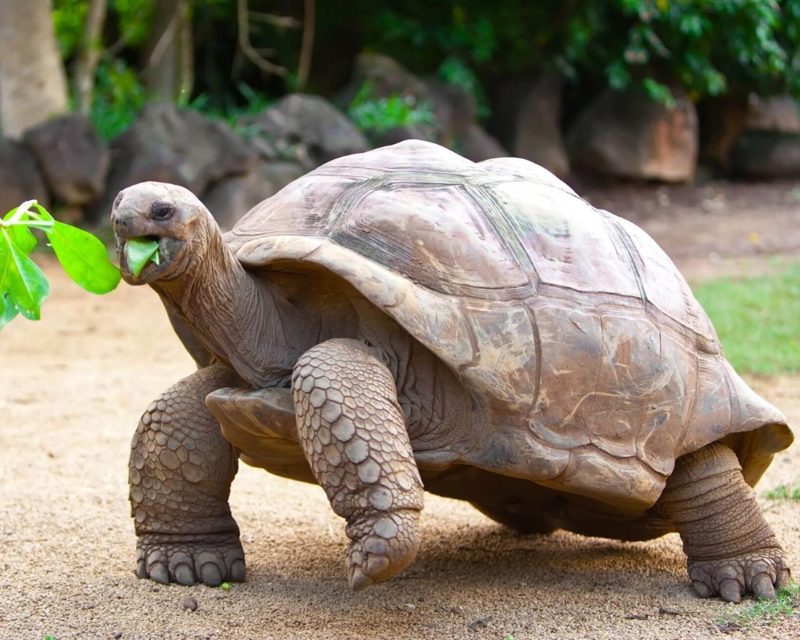
Seychelles giant tortoise can live for more than two human lifespans
Tortoises are often known by people as animals with a long lifespan. However, exactly how much longer can these creatures live compared to humans? Well, in 2022, the Guinness World Records revealed that Jonathan the Seychelles giant tortoise was the oldest tortoise ever. Allegedly achieving the feat at 190 years old, he proves that these animals can stick around for more than two human lifespans before passing away. Although it’s worth pointing out that his age is actually just an estimation, there’s apparently photographic evidence that he was already fully mature by the 1880s.
Ocean quahog clams can reportedly live for over 500 years
Evidently, the ocean is the place to be if you want to live for a long time. Another creature that can apparently survive for many, many years is the ocean quahog clam. This saltwater species reportedly has a slower metabolism due to the colder waters they tend to live in. As such, they can potentially live for as many as 500 years, with one discovered in 2006 supposedly having a lifespan of 507 years. As far as scientists know, this species could potentially far outlive that age. However, they haven’t located a clam old enough to prove that yet.
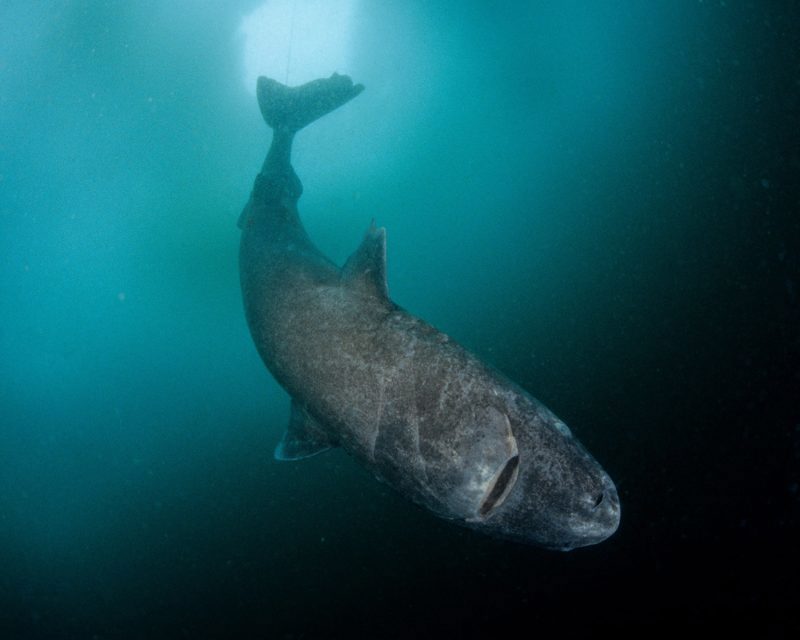
Greenland sharks can supposedly live for several hundred years or more
There’s a significant variation when it comes to the age span of sharks. While hammerheads usually end up living 20 to 30 years on average, great white sharks typically have a lifespan more akin to our own. Then, there’s the Greenland shark, which is easily one of the longest living animals found across the planet. Typically located in colder waters, these creatures can reportedly live to be between 272 and 512 years old. That’s what a 2016 study of Greenland shark eye tissue apparently discovered anyway.
Turritopsis dohrnii are jellyfish that could potentially live forever
There are some jellyfish out there with truly incredible lifespans. The most notable of these, though, is turritopsis dohrnii, which is also nicknamed the immortal jellyfish. It’s probably not hard to work out why. Apparently, the potential immortality of these animals stems from their ability to regress back into their polyp stage when damaged or starving. Their ability to turn back the clock means they may never reach the point when they pass away from old age. However, as these jellyfish are tiny - reportedly under 0.2 inches across - they can lose their lives via other means.
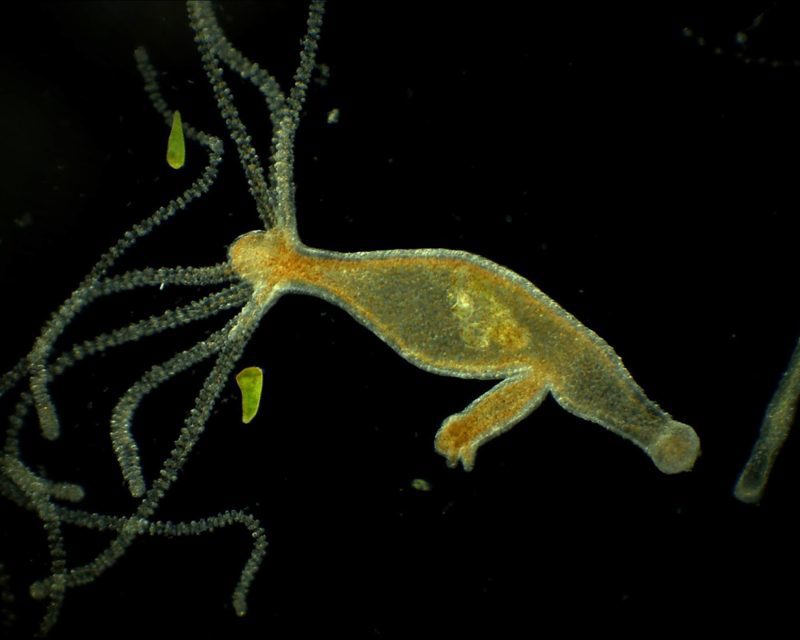
Hydra are a group of small invertebrates that may also be immortal
When you hear the word Hydra, you probably imagine a fantastical beast with multiple heads that can regenerate. However, such a creature doesn’t exist. What does exist, though, is the group of small invertebrates that also go by this name. These are mostly formed of stem cells, and as such, they’re able to duplicate or clone parts of their bodies to prevent deterioration. For that reason, they’re potentially considered immortal. That doesn’t mean nothing can end their lives, though, as these creatures do face threats like disease and predators.
It’s hard not to be a little jealous of these animals and their incredible lifespans. However, knowing our time on this Earth is more limited than theirs just makes us appreciate what we do have even more.
You May Also Like
 Education
The Difference Between Correlation and Causation
 Science
Why Some Studies Cannot Be Replicated
 Science
How to Tell a Breakthrough From a Press Release