A Chinese Startup Is Hoping To Debut A New Reusable Rocket

It’s impressive just how much space exploration technology has developed over the years. Long gone are the days of the space race, when several countries were competing to be the first to truly explore what was out there. Now, there seem to be rocket launches all the time, and while they might not always be successful, they show just how far we’ve come.
Of course, there are some downsides to a lot of these launches. One of these is that we seem to be good at getting rockets to blast off but not so much to land again in one piece. That’s something Galactic Energy looks to improve on next year, though, with reports that their Pallas 1 will be a reusable rocket.
Galactic Energy has come a long way in just five years
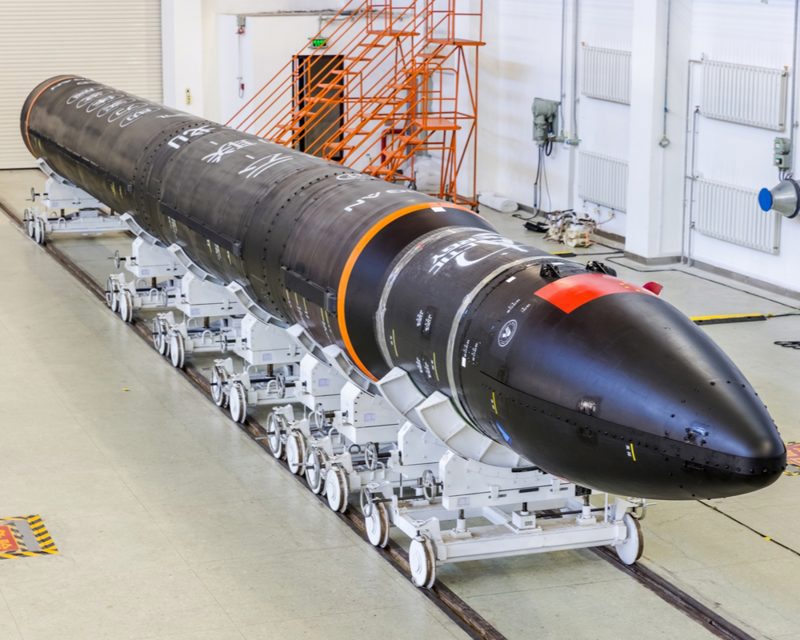
If the launch of the Pallas 1 is a success, it won’t be the first reusable rocket ever created. However, it will still be a significant achievement, especially given that Galactic Energy was only established five years ago. Since 2018, they’ve made excellent strides in developing space exploration tech, including creating their own Cangqiong kerosene-liquid oxygen engines. These will apparently help to power the Pallas 1 rocket and ensure it can carry up to 11,000 pounds of payload up into low orbit. Galactic Energy has also already succeeded in developing another rocket - the Ceres 1 - which so far has a 100% success rate for launches. Seeing as it’s set off almost half a dozen times now, that’s definitely something worth celebrating.
The Pallas 1 faces some challenges, but it has great potential
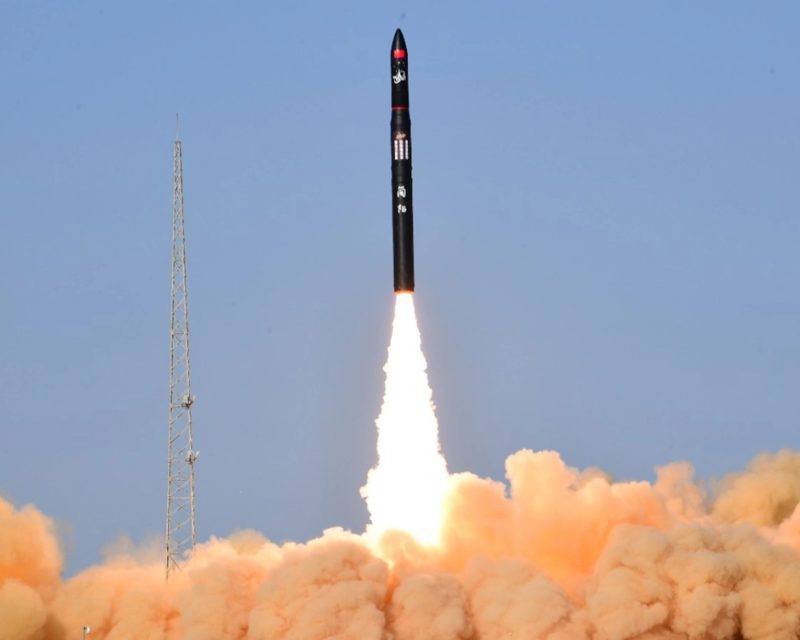
The best thing to come from a successful launch of the Pallas 1 in 2024? It will really demonstrate Galactic Energy as a force to be reckoned with in the industry. That’s because developing a reusable rocket is no mean feat, hence why many have avoided doing this in the past. For the Pallas 1 to achieve its goal, getting its payload to orbit will only be half the battle. Once that’s achieved, it will have to be successfully guided back to a specific location, restart its engines and handle a propulsive landing. So much could go wrong with this that it’s easy to be pessimistic about the startup’s chances. However, given all they’ve achieved in five years, we don’t doubt that they’re more than capable of pulling this off. They certainly have plenty of money behind them, having reportedly raised $200 million last year to help develop the rocket.
If Galactic Energy is successful, they’ll join the likes of SpaceX And Blue Origin, who have previously managed to launch reusable rockets. They’ll also become the first company in China to achieve this goal, giving them a leg up over national competitors like iSpace, Landscape, and Space Pioneer. We still have a while to go before we’ll find out if they pull it off, though.
You May Also Like
 Education
The Difference Between Correlation and Causation
 Science
Why Some Studies Cannot Be Replicated
 Science
How to Tell a Breakthrough From a Press Release