Our Coral Reefs Might Just Have More Hope Than Ever Before
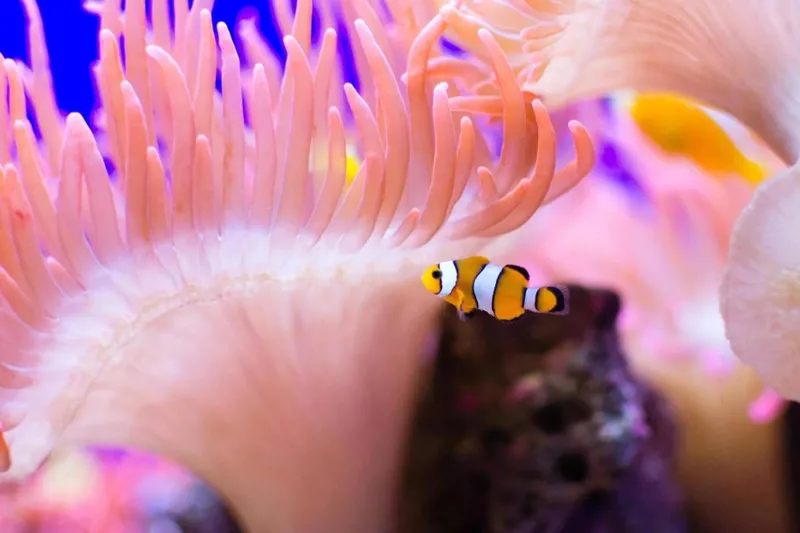
Unfortunately, our coral reefs have been in need of more than a little bit of help in the last few years. Climate change, teamed with pollution, overfishing, and general waste thrown into our oceans, mean they have suffered the tragic results.
While it can be easy to think that we should give up hope and forget all about trying to turn things around, not everyone is ready to give up just yet. In fact, plenty have been fighting to save the planet and everything on it, including things on the land and in the sea. Thankfully, our coral reefs might just have more hope than ever before.
LarvalBot is helping coral larvae
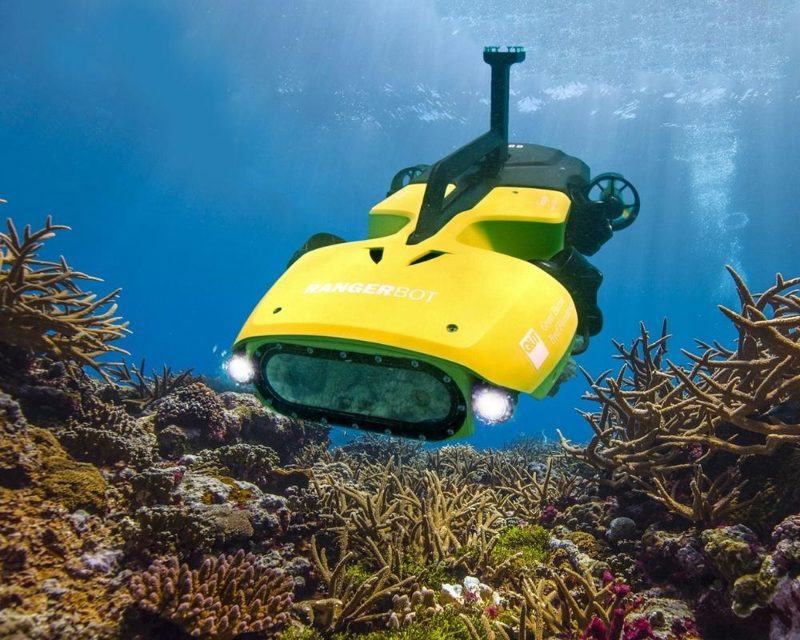
Although they look like underwater plants, corals are actually creatures that reproduce just like anything else. This means that areas lacking full coverage or with poor corals often need a little assistance when it comes to breeding. That’s where LarvaBot steps in. The underwater drone has been built by the Queensland University of Technology to shepherd coral larvae to the healthiest sections of the Great Barrier Reef to ensure they have the best chance of survival.
Coral gardening gives it a chance to grow
Human interaction isn’t always a bad thing, especially when they give our coral reefs more hope than ever before. Coral gardening means researchers have stepped in to utilize areas of healthy reefs and transfer them to spaces that need some extra help and support. It takes between six months and a year for the corals to fully grow before they can be used as the base for the next area of reef.
Acoustic enrichment is encouraging species to return
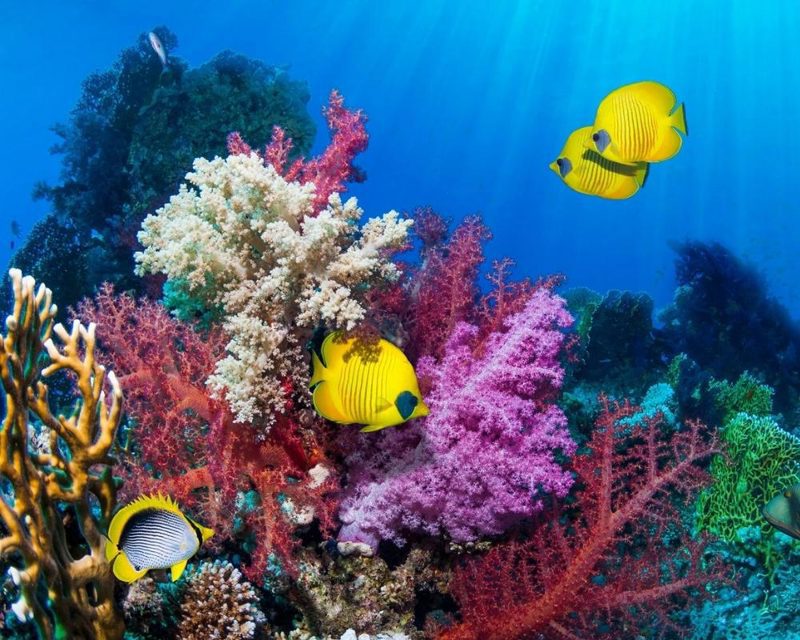
Did you know that acoustic enrichment is now giving our coral reefs more hope than ever? That’s all thanks to the fish that make the reefs their home. Just like birdsongs can attract birds to a yard, playing sounds of chattering shrimp and other animals have helped encourage fish back to certain coral reefs, in turn bringing the area back from the brink.
Micro-fragmentation and fusion was an accident
Believe it or not, but this method of helping coral reefs was all an accident. A scientist crushed a section of coral into fragments and thought it was lost forever. That was until they realized this accidentally broken coral grew 40 times faster than usual. Researchers have since been cutting healthy coral into tiny fragments and placing them near similar specimens to create giant colonies that can achieve up to 100 years of growth in just two years.
Reef stars are bringing life back to Indonesia
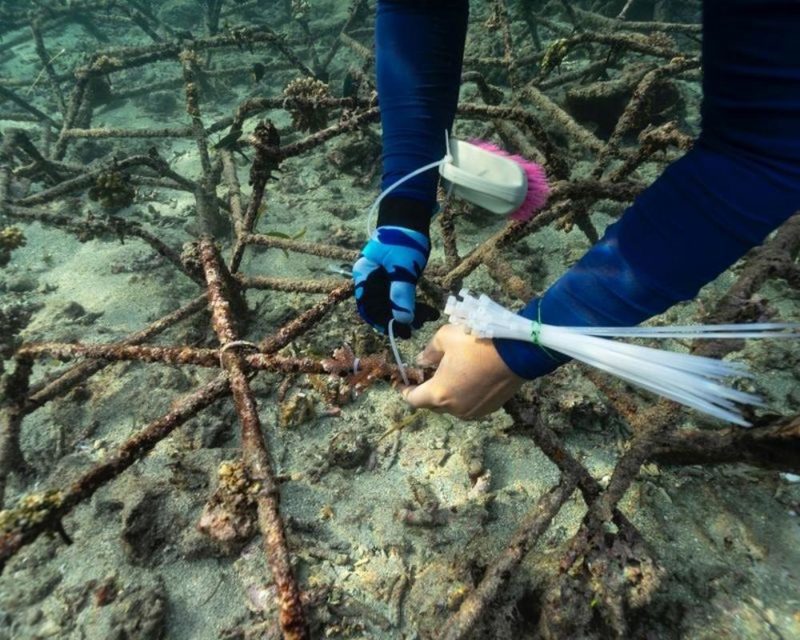
Thirty years ago, fishers decided to use homemade explosives to blast fish in areas off the coast of Sulawesi, Indonesia. Tragically, this had devastating effects on the coral and underwater life that hasn’t been ab;e to bounce back since. The constantly moving debris means coral can’t latch on and grow, but our coral reefs might just have more hope than ever before, thanks to reef stars. The steel structures have been designed to give coral a place to latch on and thrive for the first time in decades.
Amazingly, it seems our coral reefs might just have more hope than ever before, thanks to the incredible work of dedicated researchers and scientists who are determined to save these underwater ecosystems before time runs out.
You May Also Like
 Education
The Difference Between Correlation and Causation
 Science
Why Some Studies Cannot Be Replicated
 Science
How to Tell a Breakthrough From a Press Release