Amusement Parks Of The Past Might Not Have Been So Fun

When we think of an amusement park, there’s a good chance images of joy and happiness are the things that come to mind, right? While they’re meant to be the places where dreams come true, it turns out amusement parks have changed quite a bit throughout the years.
That’s right; amusement parks of the past might not have been so fun after all. We never thought we would say this, but this might be one of the only times we’re glad health and safety has gone a little mad. At this point, we’re surprised anyone made it out of their trip the other side.
Amusement parks used to be highly offensive
Amusement parts of the past weren’t fun and games for everyone involved, especially when it came to anyone who didn’t fit the “ideal” look. In one example, customers at Coney Island in the 1920s would have to leave one roller coaster through Blowhole Theater. Here, they fired high-powered air through gaps in the wood, lifting women’s dresses to a crowd of onlookers. Perhaps even worse, many of these women were assaulted by people dressed as those of other ethnicities and were sometimes even shocked with charged pokers. Coney Island was also home to several attractions that were highly offensive toward dwarfs, such as Lilliputia, a made-up city that featured little people as the residents. What about The African Dodger that saw white customers throw baseballs at several black Americans as a “game”?
Roller coasters and rides were once a life sentence
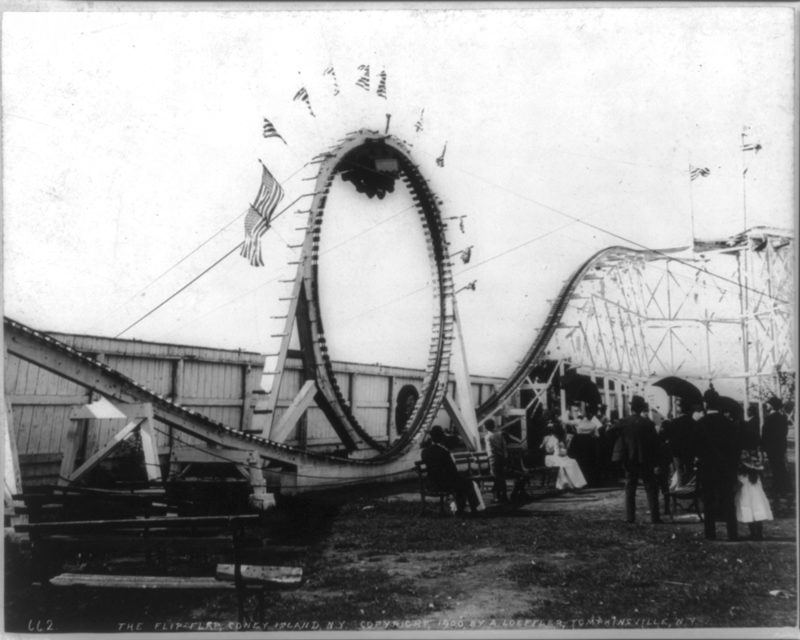
While all roller coasters come with their risks, they have come a long way from the amusement parks of the past. Take Ice Slides from 16th-century Russia. They were nothing more than wooden steps to the top of an ice slope, where riders would sit on a pile of straw as they plummeted to the bottom. Then came the early 19th-century French roller coasters that replaced the straw with wooden carts. The problem? The wheels often came off, and the carts failed to stop. Things somehow only got worse the following century, with the Coney Island Rough Riders roller coaster ending the lives of seven people from 1910 to 1915. Several carts flew from the track, and people were often ejected from the ride, with The Flip Flap Railway making for another of Coney Island’s dangerous rides. This time, they used a circular loop - instead of the oval shape used today - which put immense pressure on the riders, often giving them whiplash or knocking them unconscious. Even modern parks aren’t without blame, as Action Park in New Jersey only shut down in 1996 after at least six people lost their lives on various rides, and there were too many lawsuits against the park to count.
Some amusement park rides were quite literally hellish
Coney Island seems to have been the home to some of the worst memories from the past, including the attraction Fighting the Flames. Here, customers could experience what it was like to be in a - quite literal - burning building as firefighters battled the flames. Another, from none other than Coney Island’s Dreamland, was Hell Gate. Imagine It’s A Small World from Disney, but replace all the happy, singing people with sinners who are tortured by demons when they do something wrong. One example includes a girl who steals before she’s dragged into a ditch where she’s engulfed by fake fire and smoke. Luna Park had its own version of a hell-themed ride: Night and Morning. Here, customers could step into a room akin to a coffin where they would plummet through the Earth and take a tour of the afterlife.
Animals got far from good treatment at amusement parks
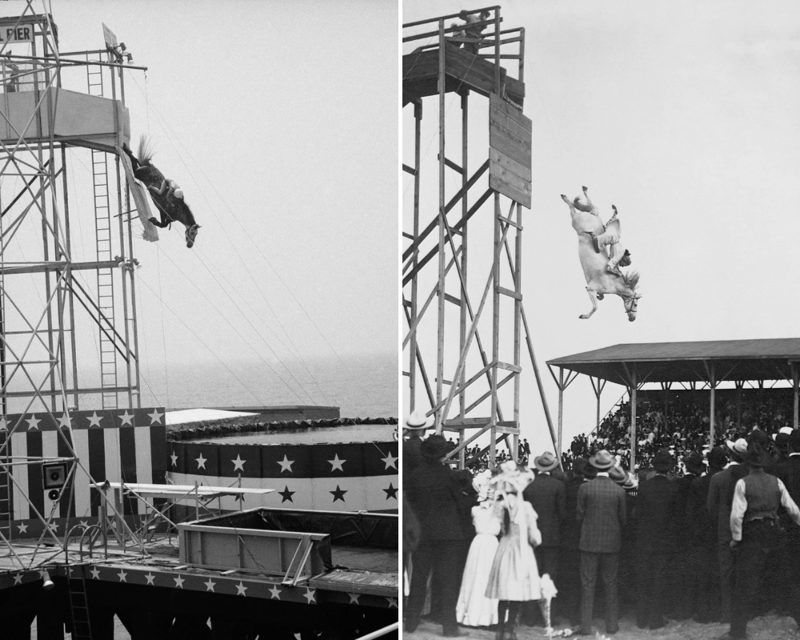
The documentary ‘Blackfish’ unveiled the truth about how whales have been treated at SeaWorld for years, but that is far from the beginning. The start of the 1900s saw diving horses take center stage, with horses plummeting off 40-foot platforms into tanks of water, with one said to have jumped from 85 feet. Then there was Topsy the Elephant, who lived at Coney Island’s Luna Park. Here, she would move the attractions around the grounds but eventually ended a man’s life when he deliberately burned her trunk. Initially, the park owners wanted Topsy hung. However, they ultimately decided to feed her poisoned carrots and electrocute the poor elephant in front of over 1,000 onlookers - and it was all filmed.
It turns out amusement parks of the past might not have been so fun after all, leaving us wondering how they ever survived all this time. After all, with so many accidents and missteps, we’re quite surprised amusement parks ever shook their bad reputation.
You May Also Like
 Education
The Difference Between Correlation and Causation
 Science
Why Some Studies Cannot Be Replicated
 Science
How to Tell a Breakthrough From a Press Release