These Are The Biggest Mass Extinction Events That Shaped The Planet
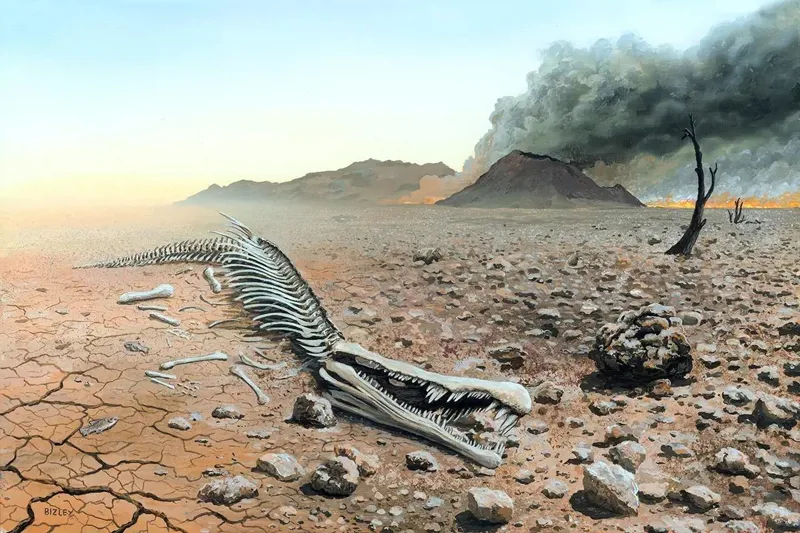
The Earth has come a long way in the last four billion years. As well as going through plenty of changes, it seems that certain events have helped change the world we know today, including the biggest mass extinction events that shaped the planet.
On the surface, it can seem like something to cause great upset and mourn. While they did mean that thousands of animals lost their lives and the shape of the planet was changed forever, we wouldn’t have the world that we’ve grown to know and love if it weren’t for the mass extinction events that got us here.
Ordovician-Silurian extinction
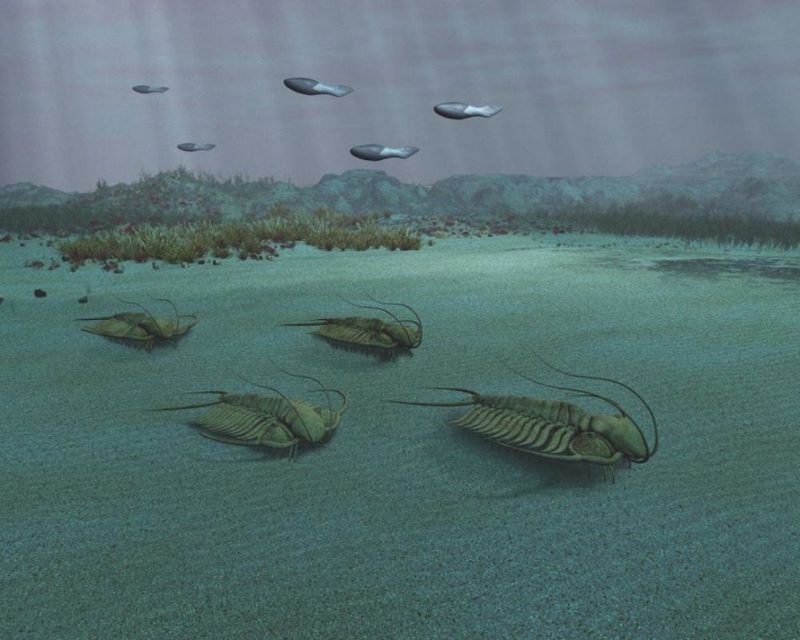
The first of the mass extinction events that shaped the planet took place 440 million years ago and wiped out 85% of the species. Shelled brachiopods and corals still lived in the shallow water and were yet to make their way to land, meaning a shift in sea temperature meant several organisms lost their lives. No one really knows what caused the temperature shift, with some believing it was the formation of the North American Appalachian Mountains.
Late Devonian extinction
The “age of fish” leaves little to the imagination when it comes to what ruled the world. Things on the ground were taking off, but it was this that caused the Late Devonian extinction. Trees started to grow roots that turned rocks into fertile soil. This, in turn, created giant zones of water that were starved of oxygen, meaning the fish underneath suffered. While no one knows what really happened, we do know it wiped out around 75% of species 365 million years ago.
Permian-Triassic extinction
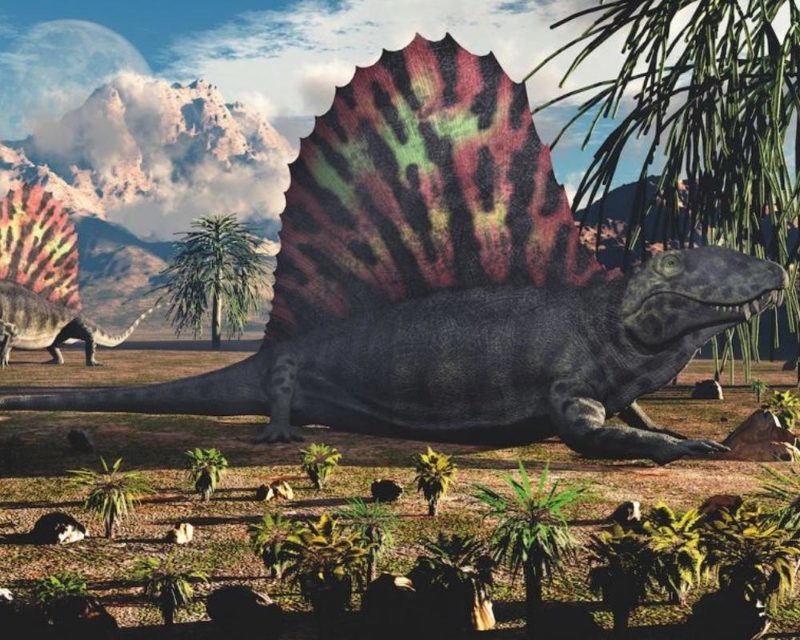
Volcanoes were to blame for the Permian-Triassic extinction that wiped out 70% of ground life and 96% of marine life. The volcanoes released a huge amount of carbon dioxide into the atmosphere and created the greenhouse effect we still experience today. The acid rain beat down the land while the rise in temperature wreaked havoc on the sea creatures. It took 14 million years for the coral to recover, as they were the worst affected by it all.
Triassic-Jurassic extinction
The Triassic period introduced a host of new creatures to the world, but it wasn’t to last as they suffered, yet again, at the hands of volcanoes. At least, that’s what many researchers believe. They estimate that 80% of species lost their lives 201 million years ago as temperatures heated up and carbon dioxide levels rose to new heights. However, plenty of other theories all have their own ideas as to what caused the mass extinction event.
K-Pg extinction
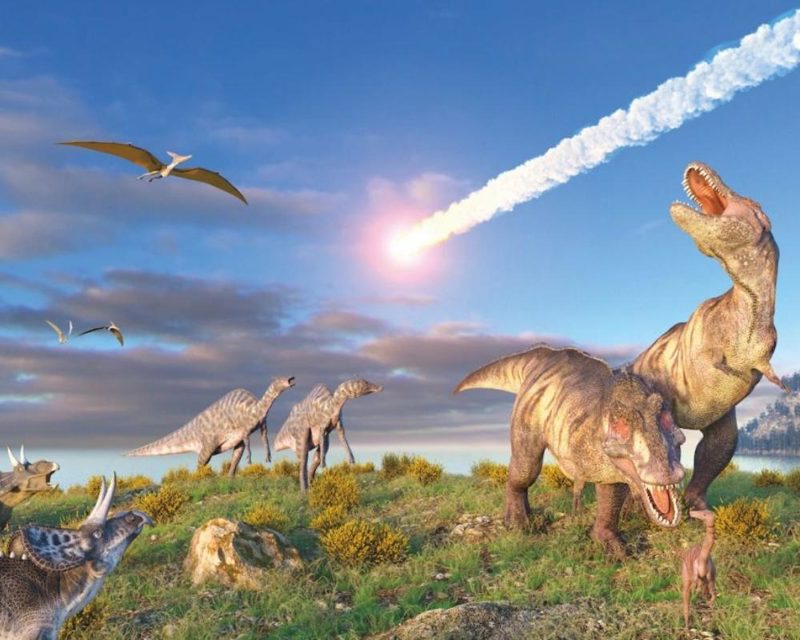
The K-Pg extinction is probably one of the most famous mass extinction events that shaped the planet - and it’s the most recent. All land-dwelling dinosaurs lost their lives in the event that took place 66 million years ago. It wiped out a total of 75% of the species on Earth and is thought to have all been caused by an asteroid plummeting to the ground. The impact was enough to fill the air with dust and blacken the sky leaving no prisoners in its wake.
The biggest mass extinction events that shaped the planet have brought a lot of change to this ball of earth and water we call home. Although they changed the world, things wouldn't be the way we know them today without everything that’s led Earth here in the last few million years.
You May Also Like
 Education
The Difference Between Correlation and Causation
 Science
Why Some Studies Cannot Be Replicated
 Science
How to Tell a Breakthrough From a Press Release