The Incredible Things The Voyager 2 Mission Taught Us
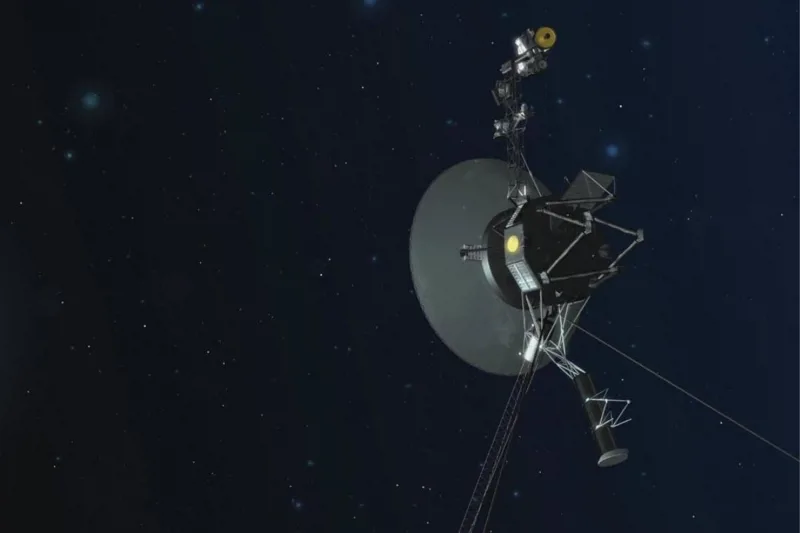
Space travel has been at the forefront of a lot of conversation recently, thanks to developments from several of the world's billionaires. However, efforts to explore the universe around us have been ongoing long before these people showed an interest. Ever since the 1950s, we've been making small but steady progress away from this planet.
The 1977 Voyager 2 mission is one of the most notable examples of this. After launching from Cape Canaveral in Florida, it's effectively done a tour of the solar system, visiting planets like Uranus and Neptune, which were previously out of reach. The Voyager 2 probe is still out there and continuing to teach us more than we ever thought possible.
The Voyager 2 mission captured photographs of planets we wouldn't otherwise get to see
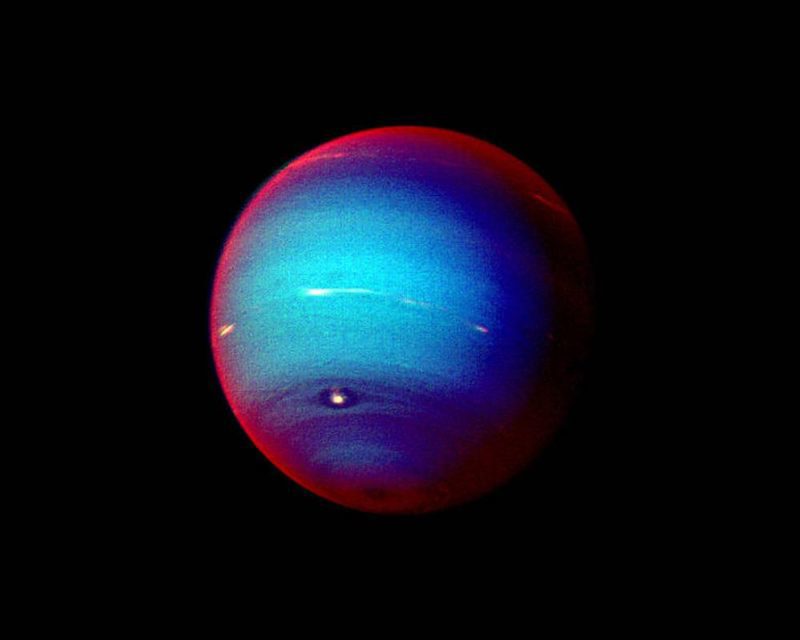
This mission probably wouldn't have been possible if it wasn't done in 1977. That's because the spacecraft apparently utilized a once-every-176-alignment to ensure it could move from planet to planet with relative ease. The alignment didn't necessarily make things quick because it reportedly took Voyager 2 a decade to get from Jupiter to Neptune. However, the slow pace was worth it for the images that came back. Some of the incredible shots it captured of the planets are still used today because no better photos have ever been taken.
Photos from the Voyager 2 mission revealed notable features on these planets and their moons
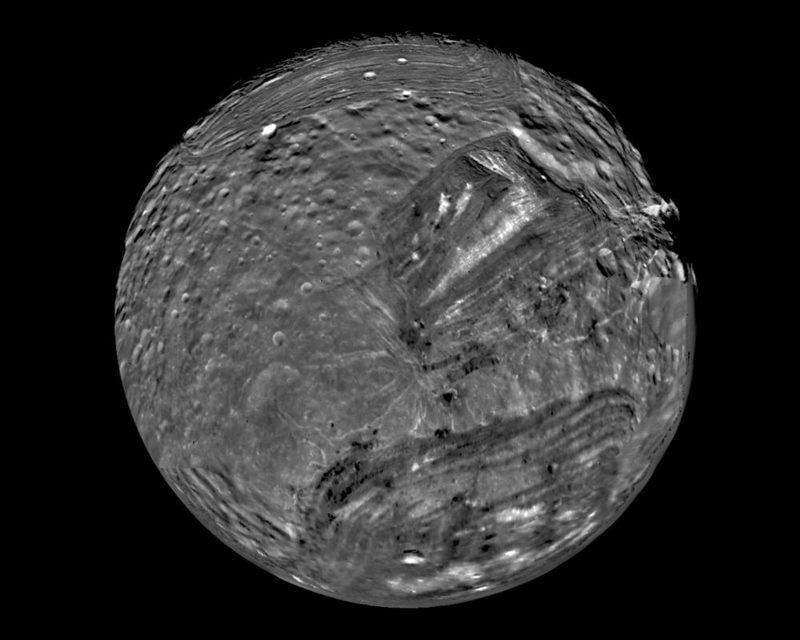
Scientists have long theorized about how other planets might look and what features could be present on them. However, without the ability to visit these places, it's been hard to confirm anything. That was until the Voyager 2 mission gave snapshots that revealed some of the elements present on these planets. That included volcanoes on Jupiter's moon Io, an Earth-like atmosphere on the Saturn moon Titan, and dark rings around Uranus and Neptune. New moons were also discovered through this mission, including one apparently orbiting Neptune backward.
The Voyager 2 mission prompted further missions to explore some of the discoveries made
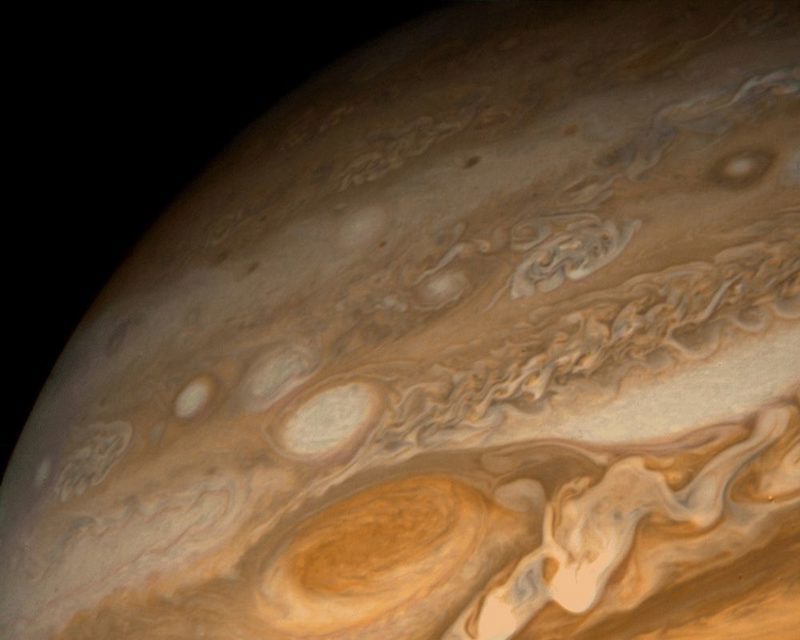
Space exploration isn't easy, hence why it's still in relative infancy all these decades later. Agencies like NASA only have so much money and manpower, so they have to focus their attention where they think it's most needed. Apparently, the Voyager 2 mission offered clarity on that. Thanks to the discoveries made by those photographs, scientists realized where was worth further investigation. Jupiter apparently stood out as being more complex than initially thought, prompting time, money, and effort being put into investigating it further. That resulted in the Galileo mission and Juno mission of 1989 and 2011, respectively.
Upcoming missions are also reportedly influenced by the Voyager 2 mission
Those missions to Jupiter aren't the only ones that the Voyager 2 mission has reportedly inspired. Uranus exploration is apparently quite a hot topic at the moment, with NASA allegedly being advised to send an orbiter and probe to the distant planet in the 2040s. When Voyager 2 passed by it decades ago, it wasn't able to get as much insight as other planets, thanks to Uranus' orientation at the time. With it being largely unexplored, there's a lot of interest in seeing what it has to offer because that first glimpse was so enticing. The only reason it's taken this long to become a reality is because of how much time and money is needed to make a craft that can travel so far.
The Voyager 2 probe will apparently orbit the Milky Way for millions of years
Given all the incredible things the Voyager 2 mission taught us, it's sad to think that the probe will be switched off before the end of this decade. However, at least it will continue to explore space, even if we won't get to see what it's recording. In around 30,000 years, it will apparently reach the center of the Milky Way, where it will presumably orbit for millions of years to come. We'll all be long gone by that point, but the Voyager 2 probe will live on. That's quite a legacy for any space exploration mission to leave behind.
Most of NASA's efforts nowadays seem like they can be traced back to that mission in 1977. That just goes to show how ground-breaking Voyager 2 really was.
You May Also Like
 Education
The Difference Between Correlation and Causation
 Science
Why Some Studies Cannot Be Replicated
 Science
How to Tell a Breakthrough From a Press Release