Everything To Know About The History Of Neck Elongation
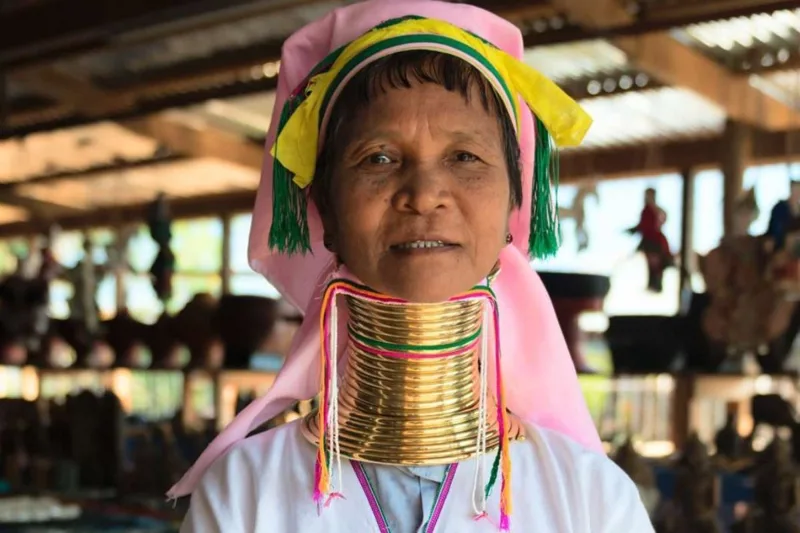
With so many ways to express ourselves, there is no end to the number of things people have done to their bodies. Piercings and tattoos are pretty commonplace in most nations across the world, while others have ways of expressing themselves that seem entirely out of the question for some.
Neck elongation is something plenty have heard about, but how much do we know about the practice? Where did it start? Is it still popular today? Although it might not be something everyone across the globe does as a part of their culture, learning everything there is to know about the history of neck elongation certainly puts it into perspective.
Neck elongation is the oldest form of body modification
Body modification comes in all shapes and sizes. However, the oldest form of them all is neck elongation. It’s believed to have been around for at least 1,000 years, with some historians placing it back as far as the 11th century. The practice started in Southeast Asia and was once reserved for the wealthy or used as a rite of passage. Although this is less common now, neck elongation still continues to honor the ancient traditions.
No one knows how it started
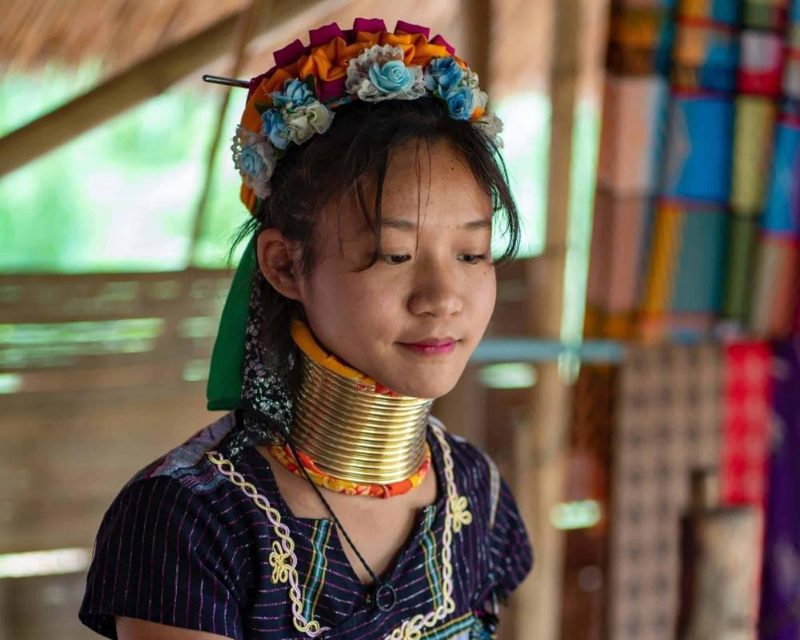
There have been several theories about why neck elongation started. However, no one really has an answer. Some believe that it was a status symbol reserved for those with the most money in Padaung tribes. Others believe that women wanted to be less attractive to slave traders so they wouldn't be kidnaped and sold. Some tribes even claim the neck rings were used to protect women from tiger bites. While there’s no definitive answer, it’s widely believed that neck elongation started as long necks are often considered a thing of beauty.
Rings are added throughout the years from as young as five
So, when does someone need to start neck elongation? It turns out the Padaung tribe in Southeast Asia starts adding them to girls’ necks when they’re as young as five years old. To top it off, the rings start at around 4.5 pounds, meaning they’re quite the extra weight. These are then added throughout the years as more and more rings are added. They even swap the older rings for wider ones when their necks grow too large.
The neck doesn’t change in neck elongation
Even though it’s called neck elongation, it’s not actually someone’s neck that’s affected by the rings. Instead, the rings are so heavy that they push into the person’s collarbones. This then compresses the ribcage and makes it seem that the neck is longer when in reality it’s just weighing down everything underneath. This is mainly why the rings are added at such a young age, as the bones are still able to be manipulated.

The rings can be harmful and removed as punishment
It might not be such a great surprise that neck elongation isn’t necessarily good for someone. To start, it physically alters their shoulders and ribcage. Then comes the fact that the rings often rub and cause sores, with some women stating they have mold growing between the rings and their skin. All of this also has an effect on someone’s neck muscles, which are usually too weak to hold a head up after so many years having it supported by the metal. That’s why it’s claimed some tribes remove the rings as punishment. Apparently, something like being unfaithful could see the rings removed to leave a woman bedridden for the rest of her days due to neck issues.
The entire history of neck elongation has a lot more to it than meets the eye. While it might not be something most of us see in our everyday lives, the rich history behind the practice goes to show just how long it’s been a part of our world.
You May Also Like
 Education
The Difference Between Correlation and Causation
 Science
Why Some Studies Cannot Be Replicated
 Science
How to Tell a Breakthrough From a Press Release