The First Cloned Wolf Has Been Born Via Beagle
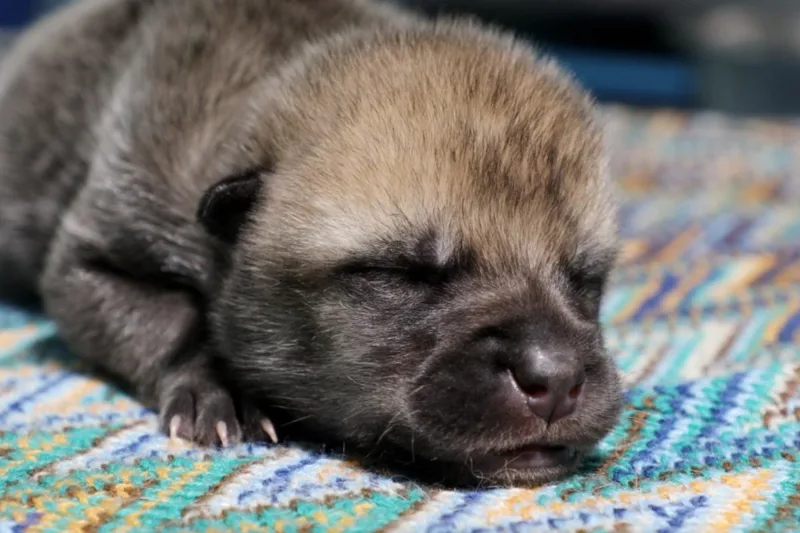
The idea of cloning an animal can be enough to leave many of us thinking we’ve somehow ended up in 3022. What about the idea of cloning a wolf through a beagle? While it might sound like something straight out of a sci-fi movie, that’s precisely what happened in the summer of 2022 in China.
That’s right; the first cloned wolf has been born via beagle, and it could mean huge things for science and several species going forward. As if that wasn’t enough, the company behind the new wolf has plenty of practice when it comes to cloning animals - and they don’t plan on stopping any time soon.
The Sinogene Biotechnology Company usually specializes in cloning pets
Believe it or not, but the Sinogene Biotechnology Company has plenty of practice when it comes to cloning animals. That’s because the private company has been working on cloning people’s passed pets for years - for a fee. Their patients usually include dogs, cats, and horses. So why the change? Apparently, they want to use their knowledge and resources to help clone endangered species.
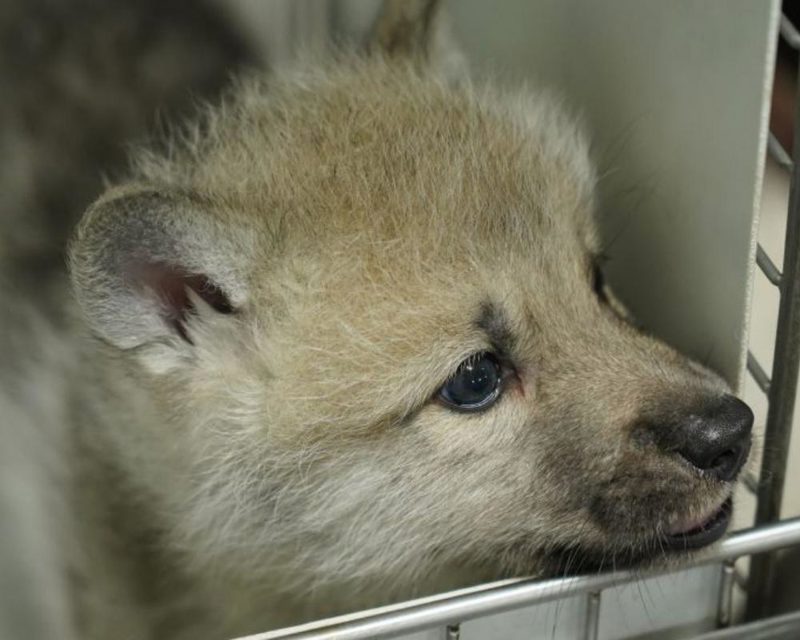
It took two years to successfully clone the Arctic wolf
Just because the Sinogene Biotechnology Company had plans to clone the first Arctic wolf didn’t mean things would be easy. The company took DNA from Maya, a wolf who had been living at Harbin Polarland in China and sadly passed away in 2021 due to old age. However, it took “two years of painstaking efforts” before the company was successful. At least, that’s according to the general manager, Mi Jidong, who spoke to Global Times about it all. Apparently, they created 137 Arctic wolf embryos by fusing skin cells with immature eggs from dogs. From there, 85 were transplanted into seven beagles. Out of those, only one was successful: the cloned Maya.
Maya lives with her surrogate mother but will eventually live with wolves
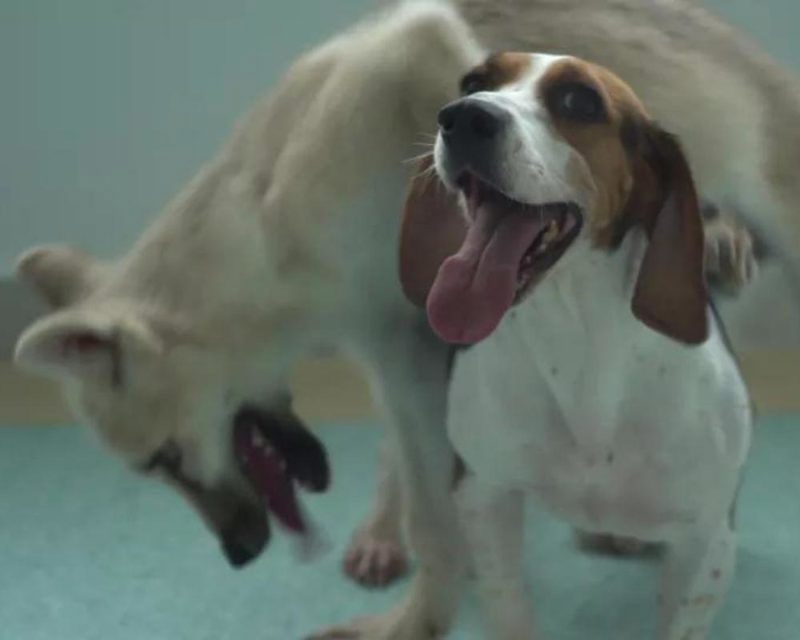
It’s reported Maya was born in June 2022, but the lab didn’t release footage of the Arctic wolf pup until 100 days after her birth. Apparently, the reason they could use a beagle as her surrogate mother was because the pair share enough DNA that a hybrid pregnancy is possible. The Sinogene Biotechnology Company also says there weren’t enough female Arctic wolves in captivity in the area to use a wolf surrogate. Although the wolf and beagle still live together at the lab, they have plans to move Maya to Harbin Polarland. Here, keepers say they will have to introduce Maya slowly as she’s lived her life in almost isolation until now.
Sinogene allegedly has a new partnership with the Beijing Wildlife Park
Creating the first cloned wolf was a huge step forward for the Sinogene Biotechnology Company. Apparently, there are reports that another cloned wolf was due to be born in September 2022, but there has been no news about whether it was successful or not. Still, it seems the project has been enough to see the company team up with the Beijing Wildlife Park, as the pair allegedly has plans to clone endangered species. After all, the Sinogene Biotechnology Company has already cloned six German shepherd puppies who were transferred to the Beijing police force.
Endangered species have previously been cloned by others
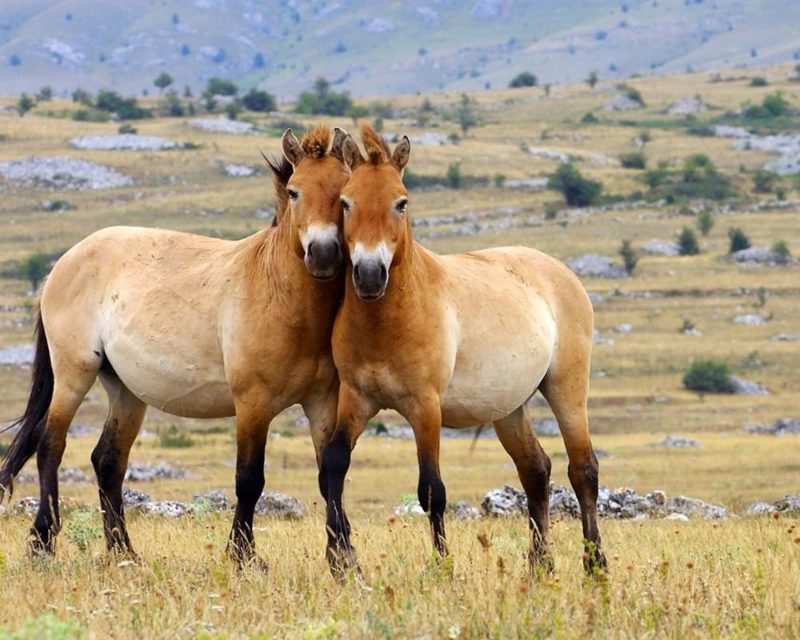
Although some reports claim that Arctic wolves are endangered, that’s far from the case. That doesn’t mean that saving endangered species is entirely off the cards, as it’s already been done before. In 2020, Revive & Restore, a US non-profit conservation organization, successfully cloned a Przewalski’s horse. The same year, they also cloned an endangered black-footed ferret and now have plans to revive the already extinct passenger pigeon using the same techniques.
Cloning could be enough to bring back endangered or extinct species
One of the best things about cloning animals is it helps to keep genetic diversity alive within a species, especially when there are so few numbers left in the world. It also means it can be used to help captive breeding if surrogates can be used. According to Ben Novak, a lead scientist from Revive & Restore, the two animals have to have shared a common ancestor in the last 5 million years if they stand a chance of using a surrogate. However, one of the biggest drawbacks is the cost. After all, hundreds of embryos had to be created before Maya was born, meaning private companies could be the only way cloning endangered species becomes a part of life going forward.
The first cloned wolf has been born via beagle in a move that many never saw coming. However, it could mean huge things for endangered species moving forward. After all, if they can clone a wolf using a dog, there’s a chance they could do incredible things for animals in need of some help.
You May Also Like
 Education
The Difference Between Correlation and Causation
 Science
Why Some Studies Cannot Be Replicated
 Science
How to Tell a Breakthrough From a Press Release