Would An Asteroid Ever Be Enough To Destroy Earth?

The dinosaurs were around for over 160 million years when everything changed. Sixty-six million years into the past, the dinosaurs were wiped out by a giant asteroid that was at least six miles across. It was a devastating blow that led to volcanic eruptions, tsunamis, earthquakes, and a change in climate that caused 75% of things living on Earth to lose their lives.
Even though it was enough to see most things wiped out, the Earth remained. It has left many people wondering: would an asteroid ever be enough to destroy Earth? Hopefully, it’s something we’ll never have to experience. Still, it might be an idea we can’t afford to ignore.
There’s a theory the Earth was hit by a planet that formed the moon
Before diving into whether an asteroid would ever be enough to destroy the Earth, it’s worth looking back in time. That’s right; the planet has been hit by a host of asteroids throughout the years, some of which have changed the world we know. There is a theory that a planet called Theia - around the size of Mars today - was the thing that caused the moon. According to studies, this happened around 4.5 billion years ago and launched rocky debris into the atmosphere. The result? The moon was allegedly formed. No one knows if it was a head-on collision or a swipe as it passed. Whatever the case, if things were living on Earth, they would have been entirely wiped out.
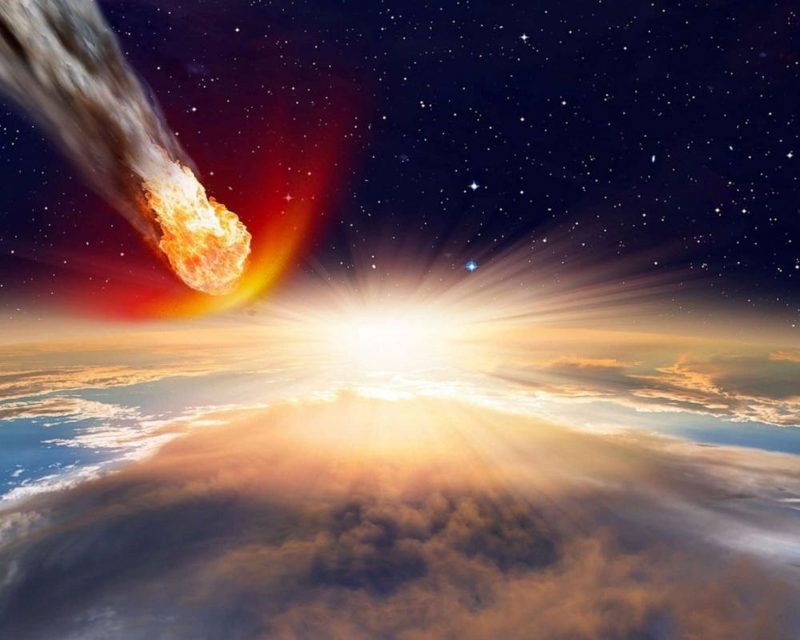
A small asteroid could be enough to wipe out humans
Believe it or not, but an asteroid just 0.6 miles wide could be enough to end human life on Earth as we know it. Scientists already know a huge asteroid was the thing behind the end of the dinosaurs, but it might not even have to be that big to see an end to civilization. Instead, astrophysicist Gerrit L. Verschuur believes a small asteroid could “probably trigger the end of civilization.” Apparently, the initial fire from the impact would be enough to destroy anything in the surrounding area. That means if something as large as the asteroid that struck the planet when the dinosaurs were around hit the Earth today, we would most certainly be toast.
The climate changes would be triggered by dust and smoke
The fire from the impact of an asteroid would be just the beginning. From there, the smoke and dust would likely be enough to end the rest of the world. To start, it would plunge the world into “a so-called impact winter” before the build-up of noxious gas and even more dust completely clouded the sky. This would stop any sunlight from coming through, meaning plants could no longer photosynthesize. That means plant life would quickly end, with animals following shortly after. In fact, the only things that would likely survive would be small ground-dwelling animals.
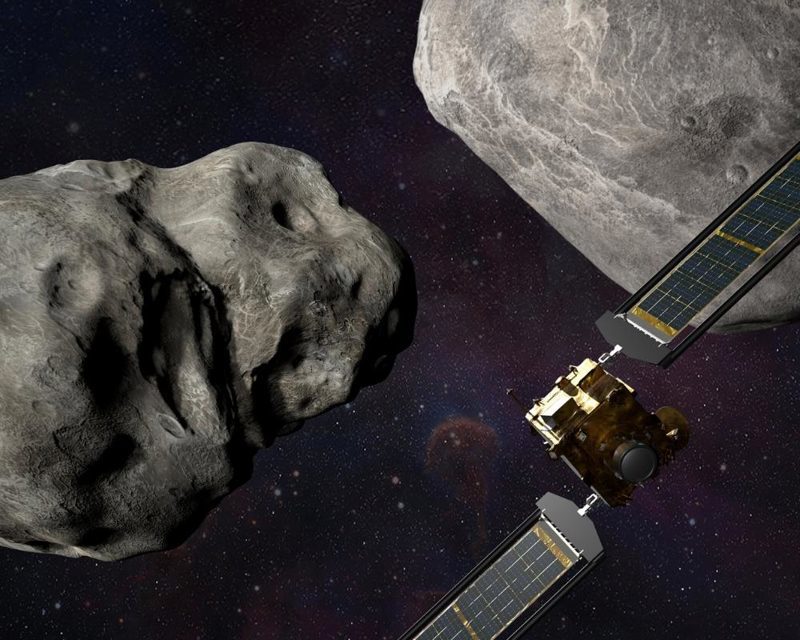
There have been experiments to see if we can destroy dangerous asteroids
It might come as little surprise - and as great relief - that NASA has been working hard to ensure we’re fully prepared for any asteroids that come our way. One of those moments came on September 26. 2022, when NASA used an uncrewed rocket to deflect a 525-foot-wide asteroid named Dimophos. Thankfully, the Earth was never in danger of being destroyed by the asteroid, and they merely wanted to know if they could alter its course. It might be something that could all be in vain, but if we’re prepared, there’s a good chance we’ll never have to know if an asteroid could ever bring about the end of the planet.
Would an asteroid ever be enough to destroy the Earth? While it might not be enough to see our planet turn to dust, there’s a chance it could trigger events that would mark the end of humanity. Still, we have NASA on our side, who might just have the protection measures we need to keep safe.
You May Also Like
 Education
The Difference Between Correlation and Causation
 Science
Why Some Studies Cannot Be Replicated
 Science
How to Tell a Breakthrough From a Press Release