Little-Known Facts About The Little-Known Platypus

When it comes to animals that look like Mother Nature was merely having a good time, the platypus might be one of the most famous of them all. After all, is it a beaver? Is it a bird? Is it even real at this point? Believe it or not, but not too much is known about this distinct animal, but there are still some things we do know.
In fact, the little-known facts about the little-known platypus go to show just how much we do really know about these wonderful animals. Sure, they might be strange, but isn’t life better when things are a little weird?
Scientists initially thought that the platypus was a hoax
The place to find a platypus is in Australia. However, being so localized means the rest of the world struggled to get their head around the idea of the creature when one specimen was first sent to England in the late 18th century. In fact, people initially thought it was some kind of prank to make people believe that the platypus was a real creature. Even then, it took another 100 years for people to learn that the platypus - a mammal - lays eggs.
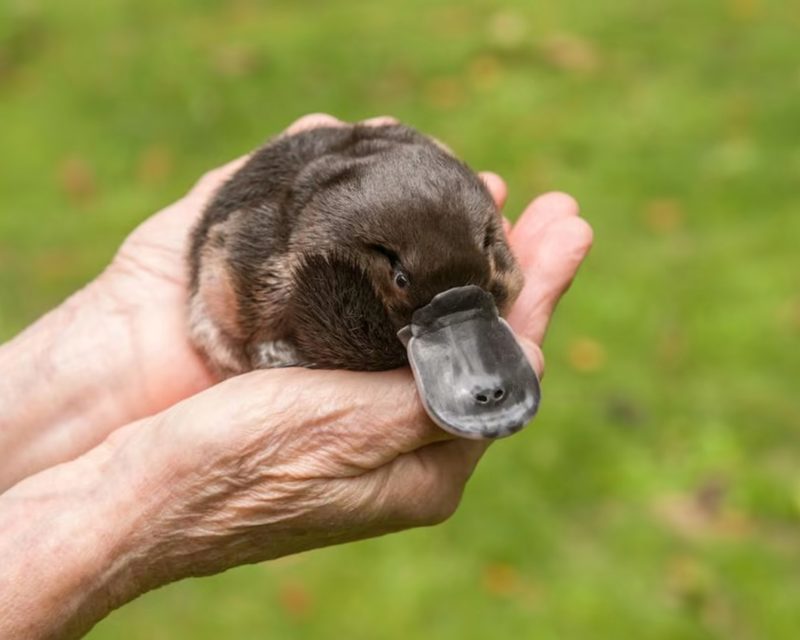
Platypuses don’t actually have a stomach
One of the strangest things about a platypus is the fact it’s classed as a mammal, especially when so many of our minds were blown away when we first learned they lay eggs. However, there’s something else that makes them stand out from the crowd: these animals don’t have a stomach. These aren’t the only types of animals to live without stomachs, as spiny echidnas and almost a quarter of all fish are also missing the acid-producing part of their digestive systems. Instead, platypuses have a gullet, which means their throats are connected directly to their intestines.
They will use gravel as a replacement for teeth
The bills of a platypus are more important than they seem, but they’re missing one thing: teeth. This can make it difficult for them to chew their food, but they have a workaround to help. When a platypus uses their bill to pick up the likes of shellfish, insects, and worms from the floor, they also pick up gravel that’s washed into the riverbed. Rather than spit this out, the platypus stores these stones in its cheeks and carries it to the surface to help use the roughness of the gravel to break down any tough food.
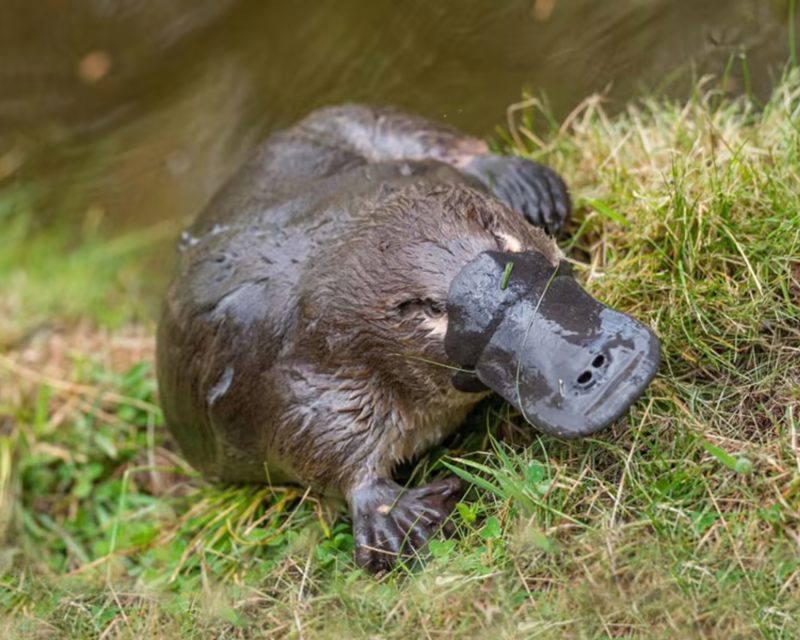
They can retract the webbing on their feet
Just because they are mammals, platypuses tend to do better in the water. Here, they can only stay underwater for a few minutes, but they have special things in place that help them speed through the water with ease. One of these is their webbed feet, but they don’t stay that way. Having such short limbs means it takes 30% more energy for a platypus to walk on land than other mammals that are a similar size. The result? They can retract the wedding between their front claws to make it easier for them to climb out of rivers and onto land.
There was a time that platypuses were giant
Of course, plenty of us have learned that most animals used to be a lot larger than the creatures we know today. That’s evolution for you. However, not many realize just how huge the platypus used to be. A single tooth found in 2013 started to paint a larger picture of the creature’s history, showing that they used to be over three feet long. To put that into context, modern-day platypuses tend to be somewhere between 15 and 24 inches long, meaning they have at least halved in length over the years.
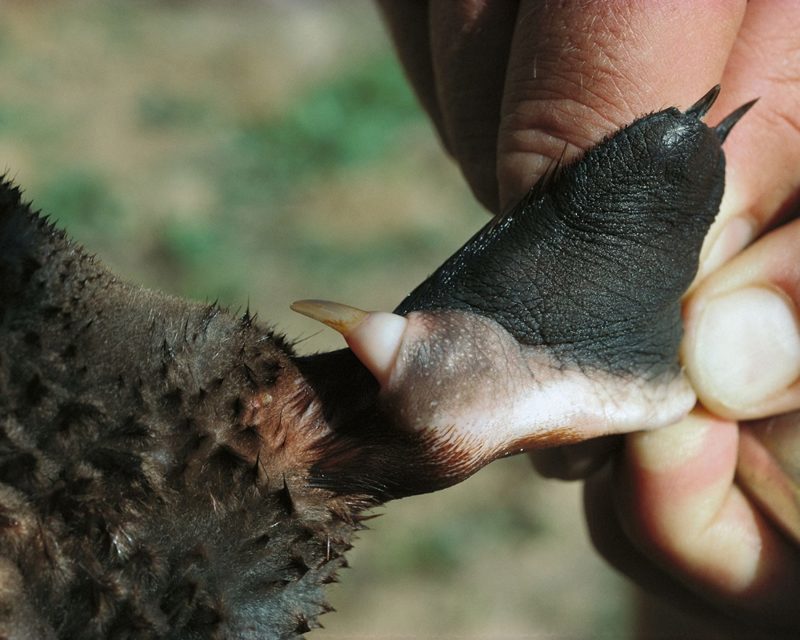
Male platypuses have a venomous spur
Believe it or not, but the platypus isn’t the only venomous mammal, but they’re not a common occurrence. Still, they aren’t like other venomous creatures. While snakes rely on their bites to inject their venom, male platypuses come with a hollow spur on each of their hind legs. The issue? They don’t always work. Instead, the gland that produces the venom only activates during the species’ mating season, hinting that males will use these to fend off any competition when it comes to looking for a lady.
The little-known facts about the little-known platypus go to show these creatures are even weirder and more wonderful than we first realized. There might still be a lot to learn about these mammals, but that hasn’t stopped so many from falling in love with them over the years.
You May Also Like
 Education
The Difference Between Correlation and Causation
 Science
Why Some Studies Cannot Be Replicated
 Science
How to Tell a Breakthrough From a Press Release