Fascinating Things You Might Not Know About The Arctic

Being so far away - and so cold - means that most of us will never get to see the wonder that is the Arctic. To many, this area is nothing more than just a frozen wasteland that’s littered with a handful of creatures and people brave enough to call it their home. However, there is much more to the Arctic than meets the eye.
In fact, the fascinating things you might not know about the Arctic really put into perspective just how much is going on at the most northern part of our planet. While most of us will never get to take it all in for ourselves, it can be amazing to think just how much is up at the top of the world.
Bird droppings help with the Arctic’s climate
Believe it or not, but we might have the huge number of birds who call the Arctic their home for the fact it’s so much colder than most of the rest of the world. That’s right; a study from 2016 proved that the vast amount of bird droppings in the region actually releases gas that helps to form the cloud cover over the Arctic. The result? It slightly reduces the temperature of the area.
The Arctic Ocean is the smallest in the world
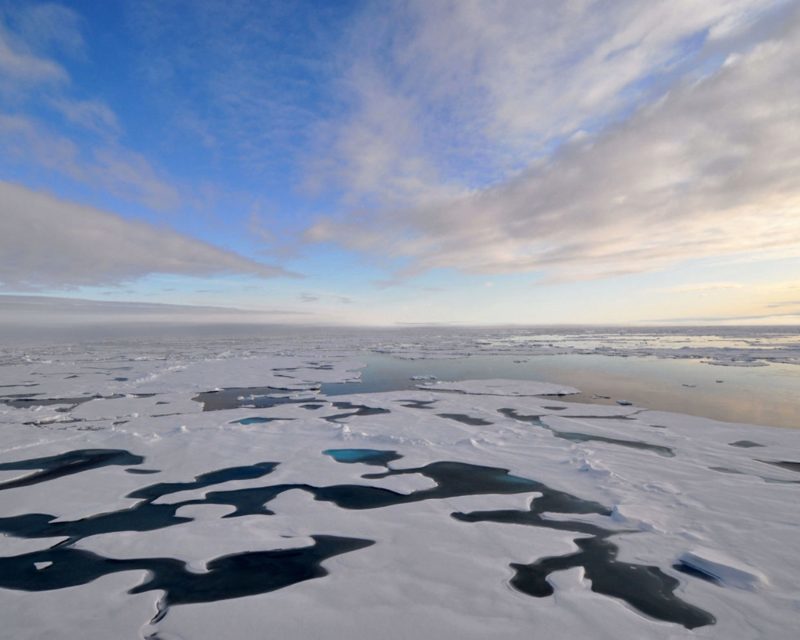
It’s estimated that 71% of this ball of rock we call home is covered in water. Although it’s divided up into seas and oceans, the Arctic Ocean is the smallest of its kind. It covered an estimated 5.4 million square miles. To put that into comparison, the Atlantic Ocean stretches over 41.1 million square miles, while the Pacific Ocean covers an impressive 62.46 million square miles. With numbers like those, it’s easier to see how the Arctic Ocean is completely dwarfed by the others.
Santa’s Arctic home was made by a cartoonist
Thomas Nast was a famous cartoonist - and was the one to give Santa his North Pole home. In fact, it all began when Nast was tasked with illustrating adverts for Harper’s Weekly throughout the 1860s. Here, he referenced sending mail to Santa in the North Pole, somewhere that was already capturing the minds of explorers and those wondering what else could be out there in the world. Of course, with so little known about the spot at the time, it made perfect sense that’s where we could find Santa, and it wasn’t long before it became his new home.
The North Pole is a lot warmer than the South Pole
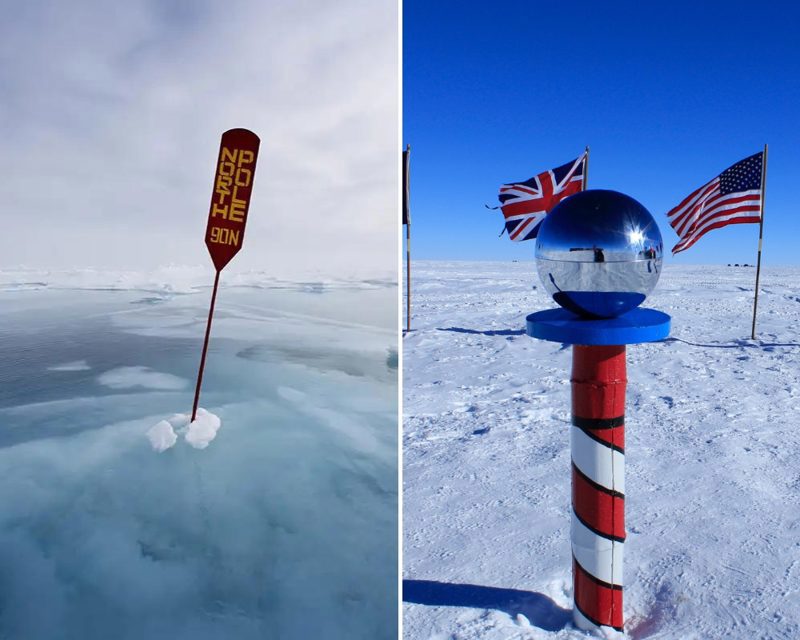
The idea of the North Pole being warm might be enough to make most of us spit out our soup, but when it’s compared to the South Pole, that is actually the case. The Arctic is mostly an ocean surrounded by land. At the other end of the planet, Antarctica is land that’s surrounded by the ocean. The Arctic Ocean actually helps to keep some heat in, meaning it’s a lot warmer at the North Pole than when you head down south. After all, a lot of the South Pole is at an elevation of more than 9,000 feet and has ice that’s over one mile thick. Plus, the average summer temperature at the North Pole is 32 degrees Fahrenheit, while it’s -18 degrees Fahrenheit on the other side of the planet.
Things don’t calm down during winter in the Arctic
In most places, things calm down a little when it comes to winter. That’s far from the case when the Arctic is involved. In fact, some Arctic Ocean regions are even more lively throughout the long winters. Things like haddock, cod, crustaceans, and plankton all seem to thrive in the colder months, but that’s not all. Having so much food on offer means there’s often a surprising number of birds who continue to stick around into the winter.
The biggest seed storage facility is found in the Arctic
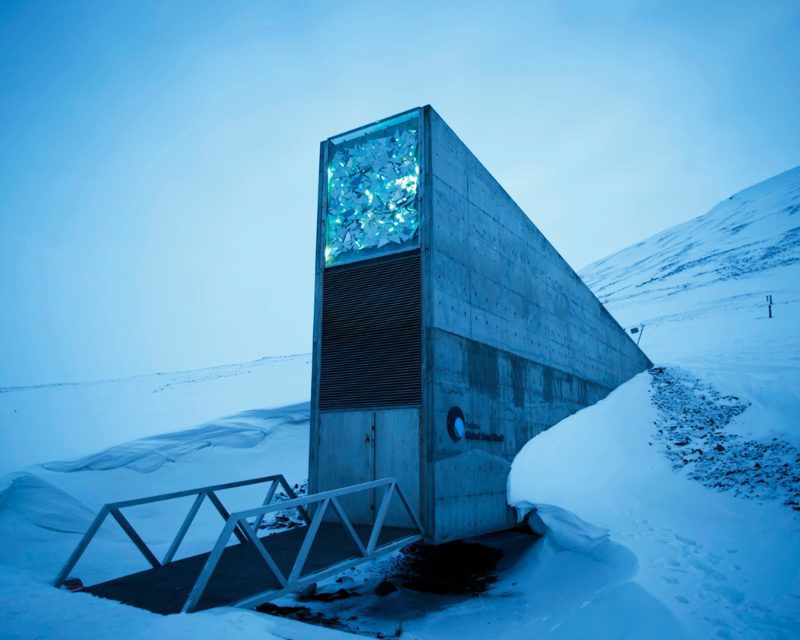
What happens if everything goes downhill and we need to rebuild our food change from the ground up? The Svalbard Global Seed Vault should have us covered. The storage facility is run by the Norwegian government and is built into the Arctic landscape. Inside, you will find seeds from over 4,000 plants - including a host of life-sustaining crops. The idea is that we will have enough to keep the human population going in case of any human-made or natural disasters, but let’s just hope it doesn’t come to that.
The fascinating things you might not know about the Arctic go to show just how much is really lying up there at the top of the world. We might not get to see it, but we sure can appreciate the incredibleness that is Mother Nature.
You May Also Like
 Education
The Difference Between Correlation and Causation
 Science
Why Some Studies Cannot Be Replicated
 Science
How to Tell a Breakthrough From a Press Release