The Things You Might Not Know About Winter Weather

Winter can be a pretty divisive time of year. If you live somewhere like New York, where winter usually means plenty of cold weather and snow, you’re either going to like it or you won’t. We totally understand why some may not be fans. After all, if you prefer warm, sunny days where it’s still light in the evenings, why would you enjoy winter?
Still, there are plenty out there who do look forward to this time of the year and who may be fascinated by some of the winter facts we have to share. There’s a lot you may not know about this season’s weather, which could make you see winter in a whole new light.
Freezing rain and sleet are actually two different types of precipitation
You may have heard talk of freezing rain and sleet, with people using the terms interchangeably. However, it’s worth knowing that these are actually two different types of weather conditions you may experience in winter. The confusion likely stems from the fact that they both occur when rain from warm air above moves through cold air below. Whether it’s freezing rain or sleet depends on the thickness of that cold air, with the former usually the result of thinner layers. Regardless, both forms of precipitation can make driving quite dangerous, so it’s always worth being cautious when these conditions are reported.
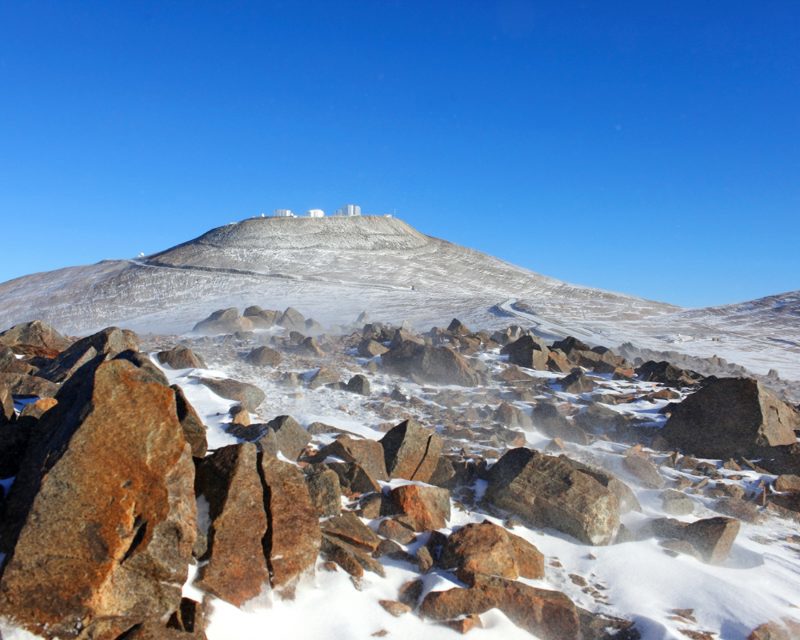
Even the warmest, driest areas can potentially see snowfall in winter
Some parts of the US are far more likely to see snow during this time of the year than others. However, just because somewhere like Florida or Louisiana is unlikely to receive any snowfall during winter, that doesn’t mean it’s impossible. There have been incidents of snow falling in all sorts of unexpected places in the past, including Hawaii and the Sahara Desert. This wasn’t even the result of an ice age, either. It was only in 2011 that Chile’s Atacama Desert received almost 32 inches of the stuff, despite being such a warm, dry part of the world.
22 million tons of salt is apparently used on US roads every winter
When a lot of snow falls somewhere that isn’t accustomed to it, it can really mess with the local infrastructure. Areas in the US where snowfall is more common are bound to be better prepared whenever winter comes around because they’ve learned to cope with the weather. This includes putting salt on the roads to reduce the risk of drivers getting into accidents while traveling. Allegedly, as much as 22 million tons of salt are used on American roads every winter just to keep people safe. That’s supposedly enough to fill 8,333 miles of dump trucks.
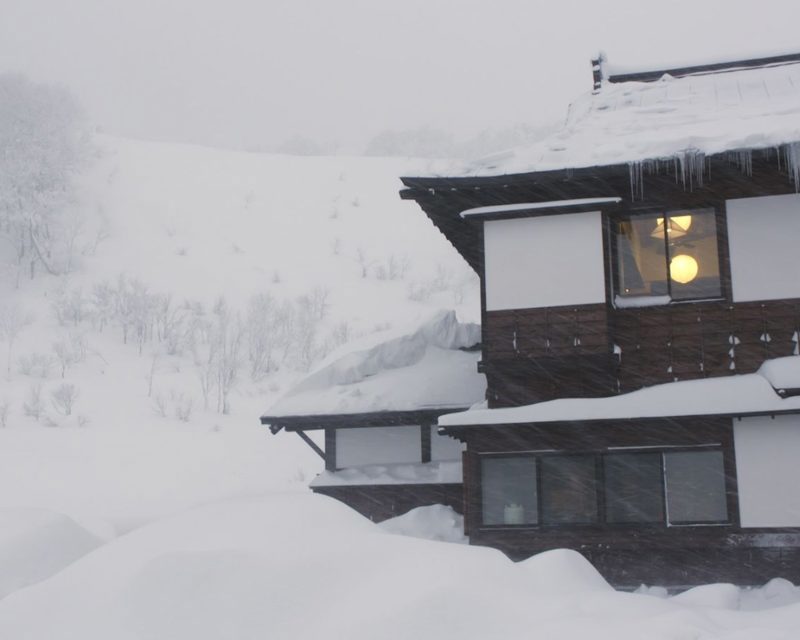
Aomori City reportedly sees the most snowfall every winter compared to other cities
While the US might need a lot of salt to keep the winter weather from endangering civilians, it’s not here that actually gets the most snow every year. Out of all the major cities in the world, it’s reportedly Aomori City in Japan that has the most snow to deal with on average. Apparently, the people there get as much as 312 inches - 26 feet - of the stuff each winter. Thankfully, it doesn’t all come at once. Could you imagine if you woke up one morning and there was a heaping of snow outside more than four times the height of the average person?
Winter can get cold exceptionally quickly, judging by past temperature records
Usually, when you look outside your window in the morning, you get a good idea of what the rest of the day is going to be like. However, it’s amazing how quickly things can change in 24 hours. That goes for the temperature as well as weather conditions, with these able to plummet in a matter of hours. In November 1911, Rapid City reportedly went from being 55 degrees Fahrenheit one minute to just three degrees Fahrenheit two hours later. Montana has also seen several significant drops in the past, like when the temperatures supposedly lowered by 100 degrees Fahrenheit in 24 hours in 1916.
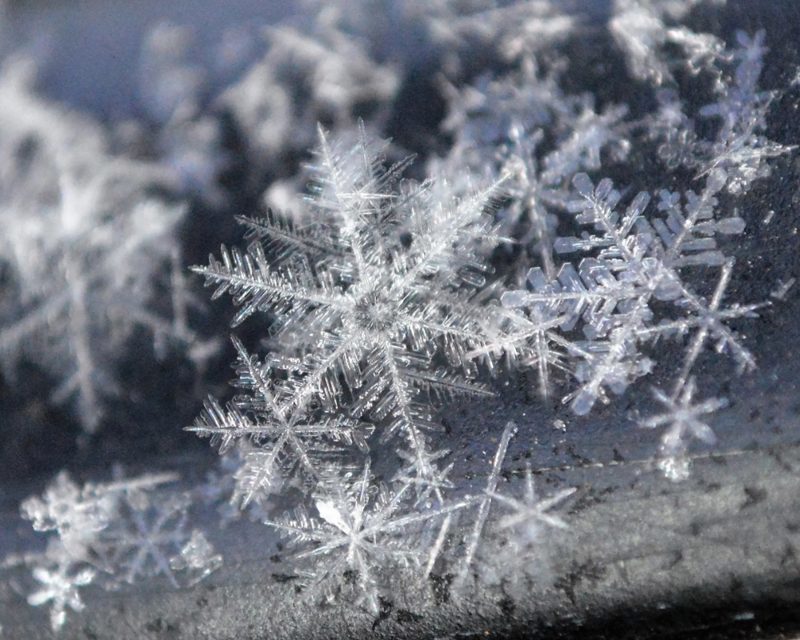
Snowflakes can vary quite significantly in size
You may well have heard before that every snowflake is unique, and that’s true. One way that they can differ from each other is in size, usually varying from the diameter of a hair to a dime. If you believe accounts from many years ago, too, there have been times when snowflakes have been on the seriously big side. In 1887, people in Fort Keogh, Montana, supposedly saw snowflakes as big as milk pans. They were allegedly 15 inches wide, something that’s difficult to comprehend when we’re used to them being so small.
Winter might not be to everyone’s liking, but it’s still pretty interesting, regardless of whether you enjoy the cold or not. Now that we know more about the weather that comes during this time of year, we have a new appreciation for the season.
You May Also Like
 Education
The Difference Between Correlation and Causation
 Science
Why Some Studies Cannot Be Replicated
 Science
How to Tell a Breakthrough From a Press Release