A Dive Into The Dangerous Steamboat Races That Once Gripped The US

Throughout the 1800s, the US’s waterways were filled with steamboats, the new thing that could carry people from A to B faster and more luxuriously than ever before. According to historian James Thomas Flexner, in 1944, the invention of the steamboat was the first invention from the US of “world-shaking importance,” and it wasn’t long before they really took over the world of transport.
An early prototype of the steamboat sailed in 1787, but it was in 1807 that the first commercial steamboat hit the water. With that came high stakes, a lot of excitement, and a need to take a dive into the dangerous steamboat races that once gripped the US.
Steamboats were useful, but they were incredibly dangerous
When steamboats hit the water, they truly changed the game. While they couldn’t reach the speeds we now see from ships, they meant that sailors could reuse their boats and travel against the current for the first time. Plus, steamboats could travel across all bodies of water, but there was a problem: they were hugely dangerous. The boilers used to power them would often catch fire, not helped by the often flammable materials the steamboats were carrying. From 1816 to 1848, boiler explosions ended the lives of over 1,800 people and injured another 1,000. In fact, the sinking of Sultana in 1865 ended the lives of 1,800 people alone and is still the worst maritime disaster the US has ever seen.
Things got even worse when steamboat races became a thing
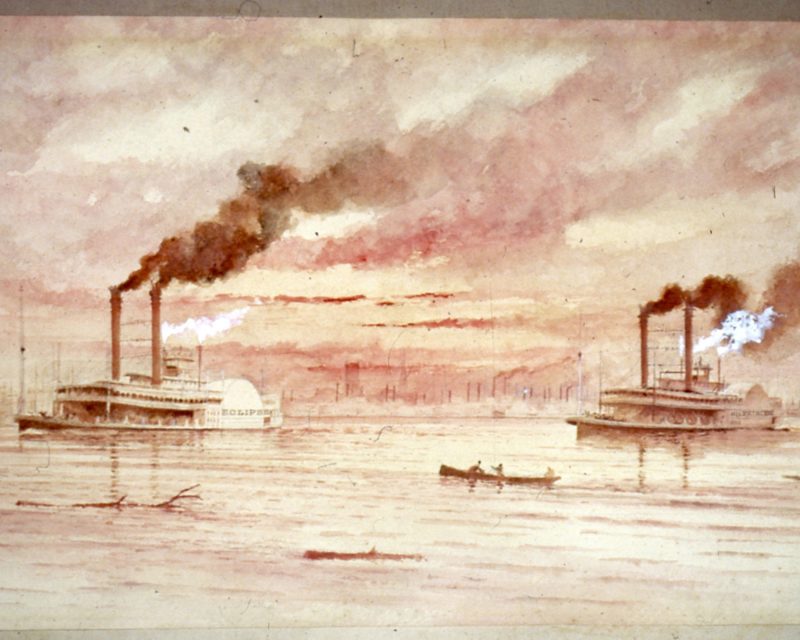
The accidents continued to pile up - oftentimes quite literally, as the lights used to light the way weren’t bright enough as waterways became more and more busy with steamboats - but things only got worse when steamboat races became a thing. Sometimes, the races were planned well in advance and were advertised and bet on. The captains? They wanted to protect their pride and win, with the races often selling more tickets as passengers wanted to be a part of the action. In fact, in 1870, one steamboat race alone saw wagers of over $1 million, which is around $23 million in today’s money. Of course, captains were compensated for their part in it all, with the winner getting a large set of golden deer antlers to hang from their steamboat.
A dangerous race sparked others to crop up
Amazingly, part of the thrill of steamboat races was the fact people were risking their lives. The first of these races came in July 1811 when the Hope took on The North River as the steamboats raced down the Hudson River to New York City. While they might have only been traveling five mph, the boats collided along the way. The boats suffered minor damage, and the captains declared it was a draw, but this was enough to spark steamboat races that would soon dominate the US.
A steamboat race accident led to the Steamboat Act of 1852
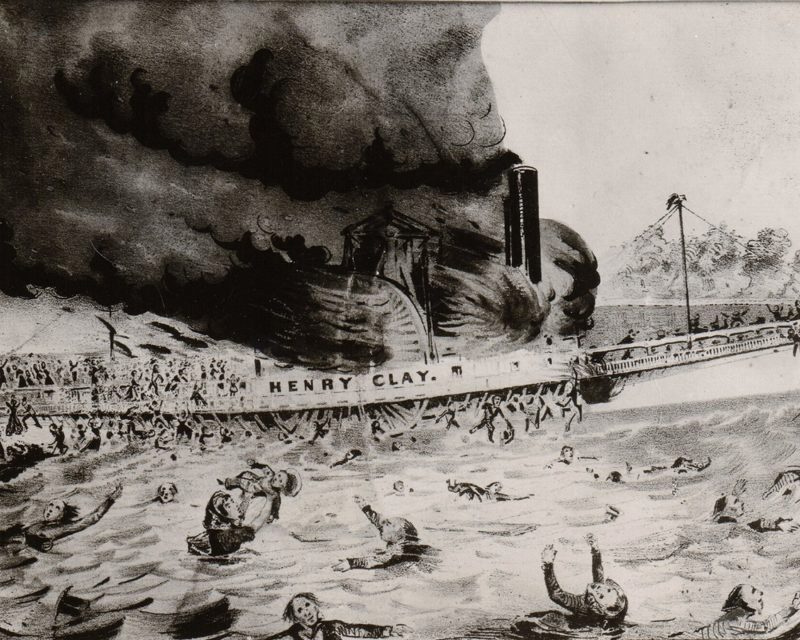
While other steamboat races took over the US, the Hudson River was home to some of the most dangerous. One of those came in July 1852 when Henry Clay caught on fire just outside of Yonkers, New York. Overheated boilers might have been to blame, ending the lives of 80 people as most frowned trying to escape. The wild panic was denied by the ship’s owners and captain, who claimed it wasn’t racing, but that was contradicted by the passengers onboard. Eventually, the recklessness of it all led to the Steamboat Act of 1852, which saw stricter inspection and safety requirements.
The Great Mississippi Steamboat Race gripped much of the US
By 1870, it was time for Natchez and Robert E. Lee to go head to head as the steamboats wanted to find out which was the fastest on the Mississippi River. In fact, it spawned the most publicized of all steamboat races, the Great Mississippi Steamboat Race. The steamboats would have to stop along the way as they used enormous amounts of fuel, but they also picked up excited passengers, with newspapers offering frequent updates on who was winning. People allegedly bet their houses on the race, some lost thousands of dollars, and eventually, the Lee was victorious.
The invention of the railway largely saw steamboats become obsolete
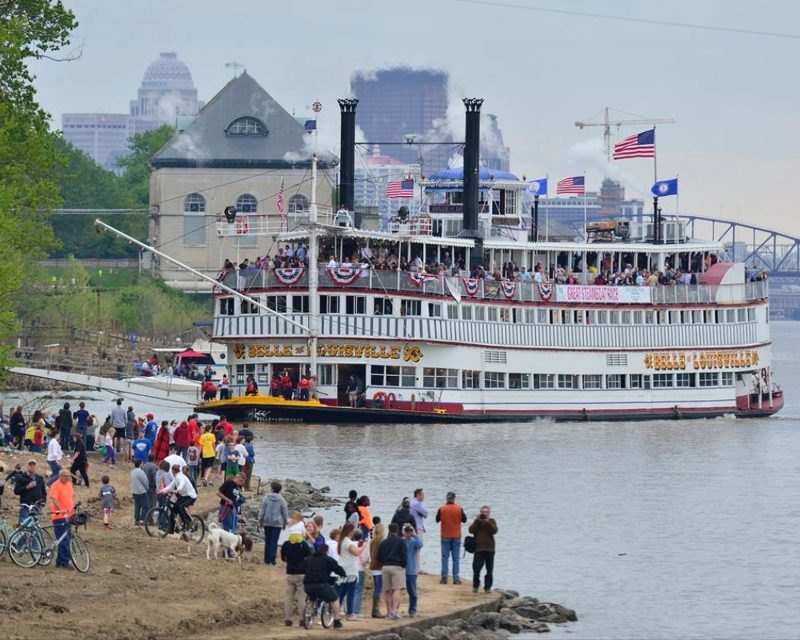
Just as steamboat races continued to dominate the US, they disappeared. The invention of the railroad started to take over transportation, meaning there was no use for dangerous steamboats anymore. Still, the tradition is still enjoyed today, just with a lot more safety protocols in place. The Great Steamboat Race has been held annually on the Ohio River since 1963 and covers 14 miles. In fact, the Belle of Louisville still competes today after it was built in 1914, meaning it is perhaps now the oldest of its kind still racing.
Taking a dive into the dangerous steamboat races that gripped the US goes to show just how different things used to be, even if it meant someone’s life was at risk along the way.
You May Also Like
 Education
The Difference Between Correlation and Causation
 Science
Why Some Studies Cannot Be Replicated
 Science
How to Tell a Breakthrough From a Press Release