Why Do Civilizations Eventually Collapse?

Almost everywhere in the world is filled with history, even if some of it is still waiting to be discovered. Oftentimes, civilizations of the past leave behind ruins and fallen monuments that tell tales about what it used to be like for those living hundreds, if not thousands, of years ago.
So, what happens to them? Why do civilizations eventually collapse? Sometimes, ancient civilizations and the things they left behind end up burning under forests, dirt, or buildings that replace where they once stood without us knowing. Before we can even think about how they eventually come to an end, we have to dive into what causes civilizations to thrive in the first place.
Historians have a criteria of things that create a civilization
Before thinking about what causes civilizations to eventually collapse, we need to think about what causes them to become one in the first place. It turns out that historians have a list of criteria that need to be met before a civilization can earn its status. That includes having a large, centralized population, having a centralized government, having money that’s collected through taxes, having religious unity, having a division of labor, and having enough food for everyone in the civilization. Although the list doesn’t cover everything that goes into modern-day communities, it’s more than enough to hold a civilization together - and can spell out what could eventually go wrong.
Any harm to a civilization can cause it to collapse
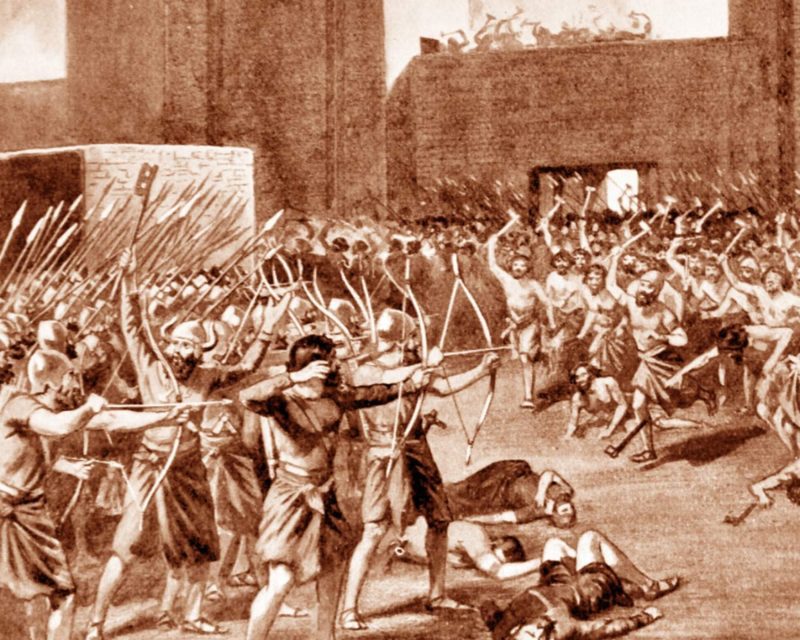
It might be little surprise that any harm to one of the big things that goes into making a civilization can be enough to bring it down. A huge blow like geological upheaval, a huge disease, or war can see things come crashing down in an instant. The Mayans seemingly disappeared in what seemed like an instant when the Spanish invasion in the 1500s brought war, new diseases, and a foreign culture that wanted to spread its own government and faith. The Mayans were left almost completely wiped out, and those who were left were forced to change under their new conquerors. The pattern isn’t isolated to the Mayans, but it is certainly one of the most famous examples.
Environmental changes can also cause civilizations to eventually collapse
It’s perhaps no secret that the environment has changed a lot throughout history, and that can have a huge effect on a civilization, especially if it affects its food supply. Archaeologists now believe that this could have been what brought down the Akkadian empire. Research shows it’s likely a drought stretched for 300 years between 2500 and 2200 BCE, meaning they had no way to grow enough food and, therefore, couldn’t survive. Historians also think that the Khmer civilization from Cambodia also likely suffered the same fate between the 9th and 14th centuries, with a drought marking the end of the people.
Sometimes, it takes centuries for a civilization to end
Even though it can feel like a civilization can end in an instant - and that sometimes is the case - other times, it takes hundreds of years for one to fall. No one can point to a single reason that the Roman Empire eventually collapsed, but there are plenty of various factors that brought it to an end, including inner and outer decay. The economy in Roman times depended on slave trades, which proved to be incredibly unstable. Not being able to conquer as many people and, therefore, not having as many cheap slaves available meant the wheels that turned the civilization began to fall off. The oppressive taxation, huge inflation, and attacks from outsiders all eventually led to the fall of the Roman Empire.
Other factors can also influence the length of a civilization
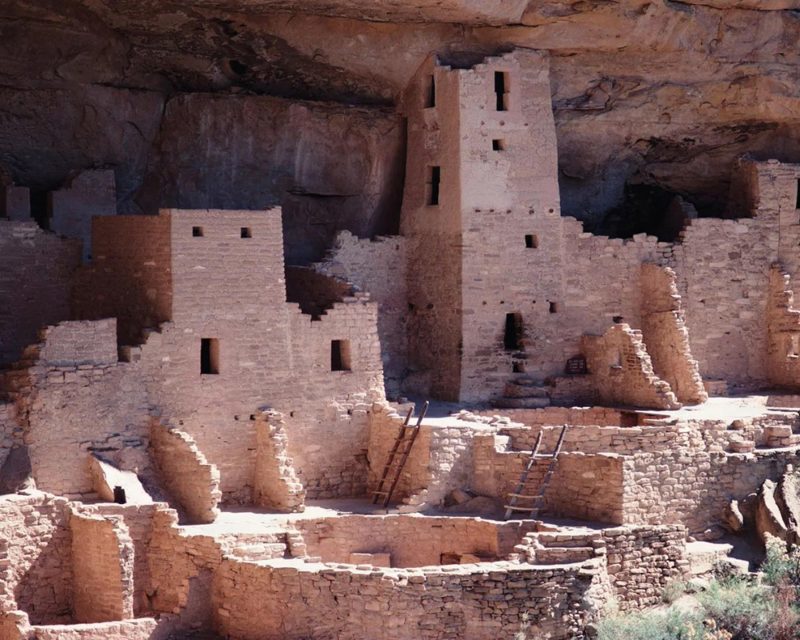
Another part of a civilization is religion, and this can be its greatest downfall. The ancient Anasazi people of North America show just this. At the time, they were known for their studies in astronomy and agriculture as they built elaborate cliff dwellings, but all of these were eventually abandoned. Historians now think a number of factors went toward their downfall, including colder temperatures and the war that gripped 900 CE. These both hindered their ability to grow food, but that wasn’t all. Other studies think that the Anasazi civilization started to crumble when a divisive religious crisis saw many of them travel south to look for a new faith. After all, once numbers begin to fall and one of the major factors of a civilization starts to crumble, it’s not long before they are entirely gone for good.
Why do civilizations eventually collapse? That’s not a simple question to answer, but it’s one that has plenty of factors. From a collapsing economy to dwindling numbers to a lack of food or religious agreement, there are so many things that can bring a thriving civilization to an end, even if it takes hundreds of years.
You May Also Like
 Education
The Difference Between Correlation and Causation
 Science
Why Some Studies Cannot Be Replicated
 Science
How to Tell a Breakthrough From a Press Release