What Happened The Day The Asteroid Hit?
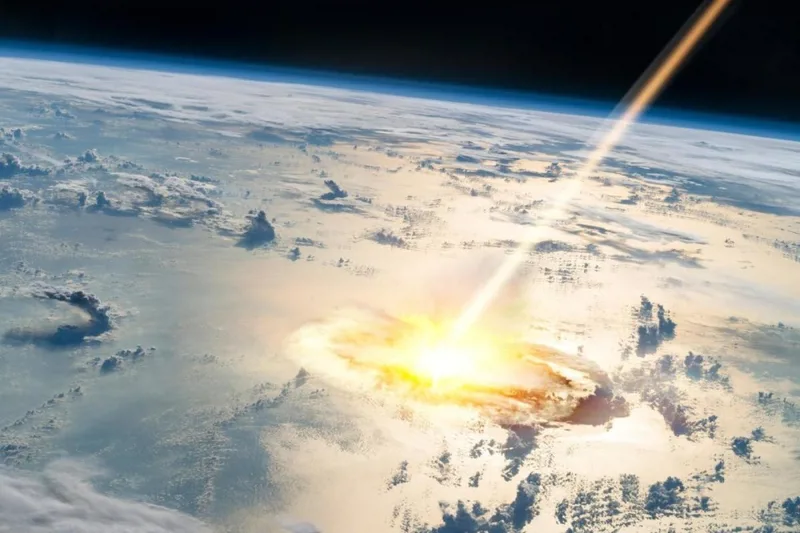
Plenty of people know that an asteroid was the thing that finally brought an end to the dinosaur reign, but what happened the day the asteroid hit? For years, it’s a question that’s baffled scientists. It wasn’t until they managed to take rocks from the Chicxulub crater that they started to piece the answers together.
Still, that was easier said than done. After all, the 90-mile-wide crater is buried under the Yucatán Peninsula and the Gulf of Mexico. Plus, 66 million years have passed since that fateful day, meaning a lot of work has gone into uncovering what happened during the Cretaceous-Paleogene - aka the K-Pg mass extinction.
The crater site collapsed as soon as the asteroid hit Earth
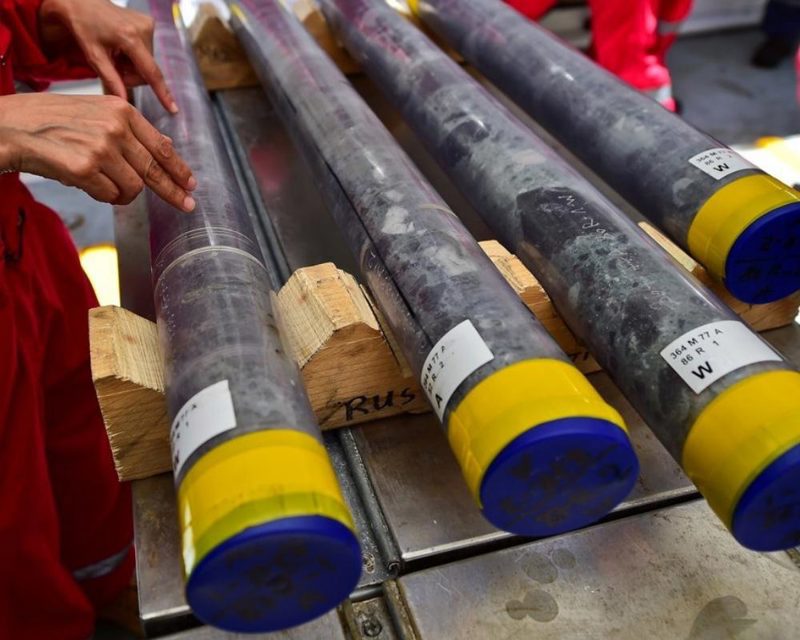
Chicxulub is known to be the site where the asteroid hit that wiped out the dinosaurs. Although this wasn’t the first time rock samples have been taken from the area, James Witts - a geologist from the University of New Mexico - says their investigation was the first time rocks were collected from the peak ring. This is the area that immediately formed the day the asteroid hit. An asteroid hit on this scale has never been recorded on Earth, but it was enough to see the underlying rock in the area to collapse and create the crater and peak ring that’s been left behind. More than 70 feet of rock instantly melted due to the heat of the blast.
Natural disasters were likely one of the first things to happen the day the asteroid hit
The first things that were triggered on the day the asteroid hit were a host of natural disasters. Earthquakes led to volcanic eruptions, which both led to tsunamis across the planet. The wave in the area also brought a ton more rock to the crater site, adding another 260 feet of gravel, charcoal, and sand to the pit the asteroid left behind. From there, things like wildfires gripped the planet due to the volcanoes before they were extinguished by the tsunamis.
Gasses would have increased the temperature of the Earth
Of course, having such a large asteroid hit the Earth was enough to see a host of debris thrown into the air. The crater left behind, and subsequent earthquakes also tore holes in the Earth’s crust, meaning natural and toxic gasses escaped. No one is entirely sure how long it took for these to take effect, with some estimating minutes and others thinking days. Whatever the case, a heat pulse caused the temperature to increase dramatically more than 900 miles away from the crater site.
Various species all started to lose their lives as they were wiped out
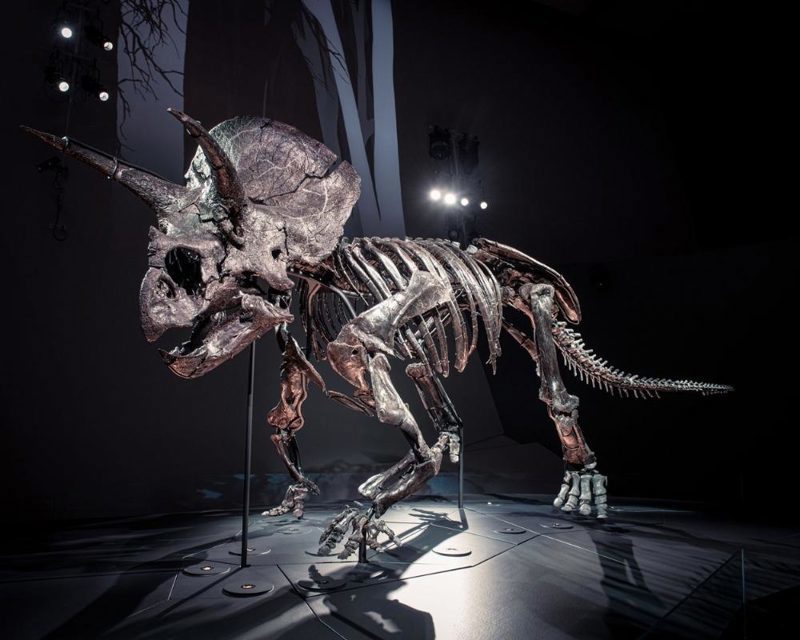
Although the temperatures immediately rose, they plummeted dramatically in the years following the day the asteroid hit. From there, scientists know that 75% of the known species living on Earth lost their lives. Dinosaurs weren’t the only things to lose their lives. Flying reptiles and ammonites were wiped out, leaving only birds in their wake. To top it off, most mammals, snakes, and land lizards faced major setbacks in the chain of evolution as they all had to learn how to adapt to the new land the asteroid left behind.
What happened the day the asteroid hit? A lot. From the natural disasters that almost immediately gripped the planet to the animals that were completely wiped out and everything in between, it was undeniably a moment that changed the history of the planet forever.
You May Also Like
 Education
The Difference Between Correlation and Causation
 Science
Why Some Studies Cannot Be Replicated
 Science
How to Tell a Breakthrough From a Press Release