The First Humans Have Been Given Lab-Grown Blood

Science has come a long way throughout the years. Now, illnesses that were once incurable can sometimes be treated in a heartbeat, and people can enjoy the wonder that is modern medicine. What about the idea of using blood that’s never been used before? That’s right; the first humans have been given lab-grown blood - and it’s a huge turning point.
It’s estimated the US uses 32,000 pints of blood each day and that 4.5 million people living across the nation would lose their lives without blood transfusions. Still, there’s the issue of having enough donors to keep up with demand, which is why lab-grown blood could be the thing humanity needs to keep going.
Rare blood types make it challenging for blood transfusions
There are eight known blood types in the world, with everyone inheriting theirs from their parents. Still, four are more common than others: type A, B, O, and AB. That’s partly why researchers in the UK have been working on lab-grown blood to fill in the gaps in the market and to make sure there is enough blood for everyone who needs a life-saving transfusion. Ashley Toye, a researcher working at the University of Bristol, told the BBC that some blood types are so rare there could be as few as “ten people in the country” who can donate their blood. This means many could be missing out on transfusions if they need them due to the lack of people with matching blood types.
It currently takes around three weeks to make lab-grown blood
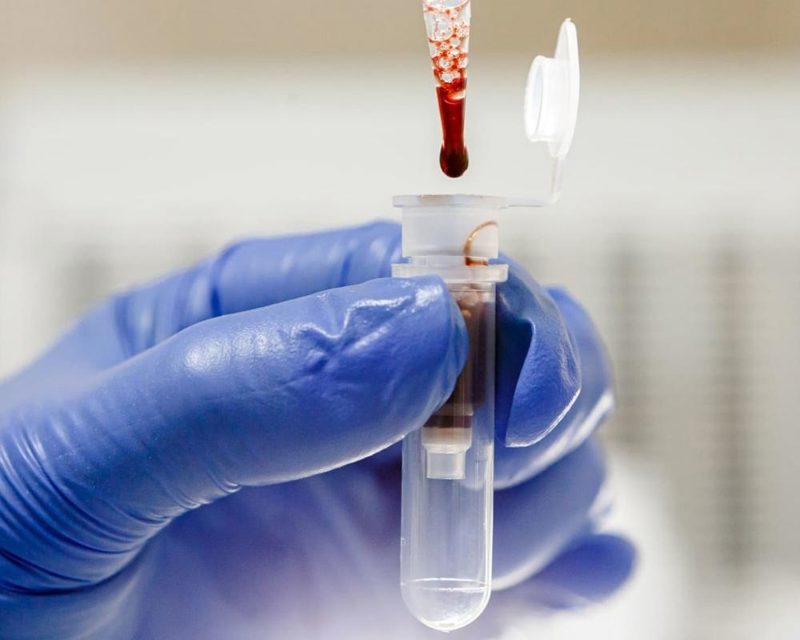
Researchers have been working hard on their lab-grown blood to ensure it’s the exact match they need to create gallons of the stuff going forward. According to their interview with the BBC, the team used a regular blood donation with mixed magnetic beads to tease out the stem cells in the blood. From there, they could turn them into red blood cells that can later be used in a transfusion. Still, it’s not a quick process. Apparently, 50 million blood cells can be made from 500,000 stem cells, with the process taking around three weeks. Ashley Toye added it’s her “vision” to have “a room full of machines” to “make as much blood as possible in the future.”
Two out of ten people have been given lab-grown blood in a trial
The trial of using lab-grown blood is still in its early days. Still, ten people have signed up to be a part of it all in the hopes of changing the face of medicine. So far, two people from the trial have been injected with two teaspoons of lab-grown blood to see how things go. The samples have also been mixed with a radioactive substance so the researchers can track how long it takes for their bodies to process and use the new blood.
The cost is currently the only thing holding researchers back
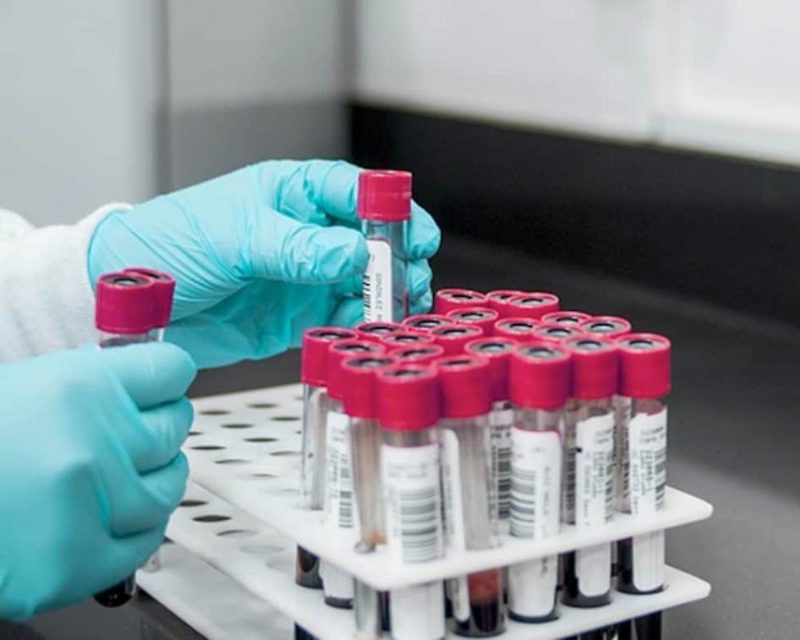
Like many things in medicine, it’s currently money that’s holding the team back from mass-producing lab-grown blood. A spokesperson for the NHS Blood and Transplant division spoke to CNBC, where they confessed that if the trial is successful, “it could be introduced at scale in future years.” Of course, the team is still hopeful that their trial will be a success and that they can help to change the lives of people who need regular blood transfusions, such as those living with sickle cell or people who have incredibly rare blood types. Although it won’t replace the need for regular blood donations, having a way to make lab-grown blood could boost up supplies and be used to save the lives of people who might otherwise lose their battle without a blood transfusion.
The first humans have been given lab-grown blood, and it marks what could be an incredible breakthrough in the future. If the trial is a success and the team can mass-produce blood going forward, it could mean thousands of people keep their lives in times that would have once looked so dark.
You May Also Like
 Education
The Difference Between Correlation and Causation
 Science
Why Some Studies Cannot Be Replicated
 Science
How to Tell a Breakthrough From a Press Release