Thiess Of Kaltenbrun, The Man Once Accused Of Being A Werewolf

If there’s one thing most of us have learned, it’s that we should probably talk to legal counsel before offering anything up to the police. While that might go without saying, that especially applies if you’re going to claim you’re a supernatural being capable of bringing down entire towns of people.
Unfortunately, for Thiess of Kaltenbrun, the man once accused of being a werewolf, he seemingly missed that memo. Instead, offering up this unusual information was enough to see the 17th-century man caught up in a host of legal drama that was about to change everything. The charge? “Lycanthropy and other prohibited and impious acts.”
Thiess of Kaltenbrun was a key witness in a local robbery during the 1600s
Thiess of Kaltenbrun was in his 80s and living around Jürgensburg, Livonia, back in the 1600s. At the time, judges believed he was a key witness about a robbery that took place at one of the local churches. It was also thought Thiess had information about their key suspect - Pirsen Tönniss - which is how he ended up getting invited to testify as a witness. The problem? This was the start of the issues. In the 1500s, two French criminals claimed to be werewolves who ended people’s lives, an admission that saw them burned at the stake. From there, other criminals claimed to also be werewolves, and it wasn’t long before the shapeshifters had a pretty sinister connotation. Still, that didn’t stop Thiess of Kaltenbrun from admitting he was one.
He had already declared himself a werewolf in court
Amazingly, this wasn’t the first time Thiess of Kaltenbrun declared that he was a werewolf. In fact, that moment came years earlier in another court trial, with Thiess stating his lycanthropy was how he had a broken nose. In fact, he claimed that he had been stealing grains from a farmer who was less than impressed and used a broom to smash his face. However, Thiess also added that all of this took place in hell, although he later stated his hell was an underground chamber found near a local swamp. The story was bizarre, and most people wrote Thiess off as someone who was talking nonsense. Amazingly, his werewolf confession didn’t stop Thiess from being a part of the community.
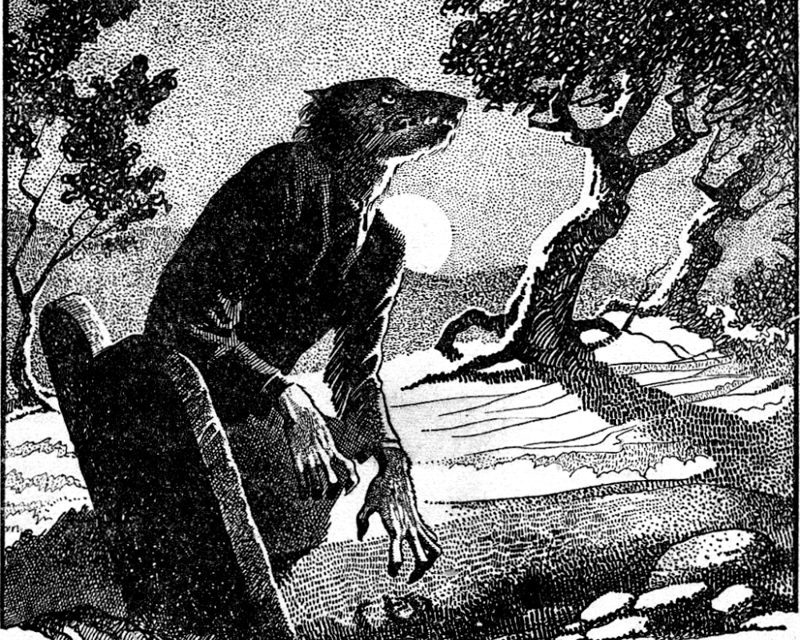
Thiess of Kaltenbrun had plenty of answers about his werewolf lifestyle
Even though he had already confessed to being a werewolf, Thiess of Kaltenbrun needed to be credible in this robbery case. Even though his supposed lycanthropy had nothing to do with the trial, it didn’t stop Thiess from bringing it up, stating he had previously spent a lot of time as a werewolf, but he had recused himself over a decade earlier. He also added that he was a good werewolf, something which greatly intrigued the judges. When asked, Theiss claimed that he needed to don wolf pelts to shift, but he later changed his story. When asked again, Thiess now claimed that he and others could transform into wolves at will and would do so to hunt animals for food. How does someone become a werewolf? According to Thiess, it meant someone had to breathe into a jug three times before giving it to someone else.
Everything he was asked came with a detailed explanation
Many started to wonder why Thiess of Kaltenbrun was even allowed to talk about being a werewolf in court. The biggest thing was how he was employed by a certain judge - Bengt Johan Ackerstaff - and lived on his property. Although the judge thought Thiess was trustworthy, letting him continue to talk about lycanthropy could undo all of that. That didn’t stop Thiess from having an answer for just about everything. He claimed he and others would catch animals and use their paws to pull the meat from their bodies before transforming back into humans to cook the meat. As for the dogs that guarded livestock, that was simple: Thiess could outrun them as a werewolf. How could Thiess have recently been in hell if he was no longer transforming? That was the one that got him, with Thiess admitting he made that up and hadn’t given up his werewolf lifestyle.
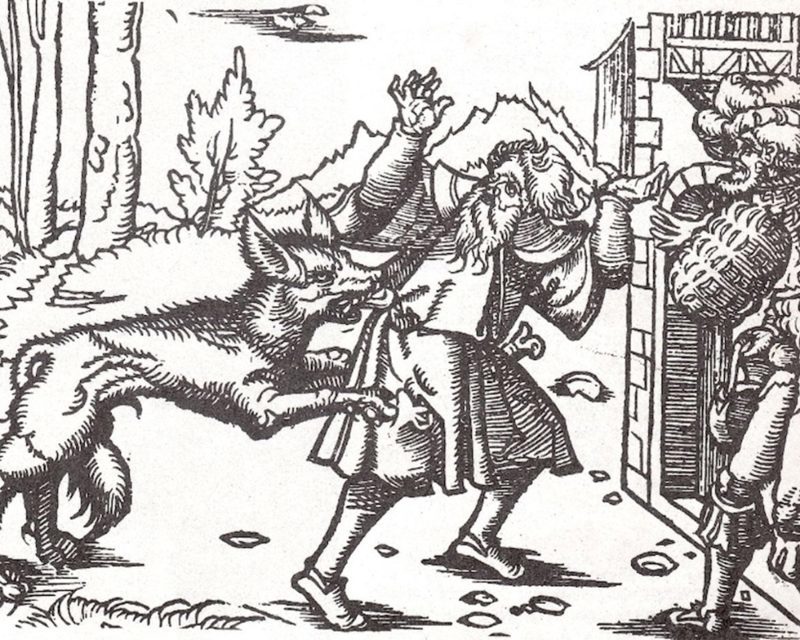
It was eventually ruled that Thiess of Kaltenbrun was untrustworthy
Even when a local pastor suggested Thiess of Kaltenbrun should repent his sins, he didn’t get the hint and continued to talk about his werewolf lifestyle. The trial was now about much more than a robbery, with the devil, God, and lycanthropy all getting dragged into the equation. By October 31, 1692, it was ruled that Thiess was guilty of harboring diabolical delusions, and he must pay the price: 20 lashes.
Thiess of Kaltenbrun, the man once accused of being a werewolf, seemingly didn’t know when to quit when it came to his confessions and stories about transforming into a beast. Still, unlike the witch trials that saw anyone and everyone lose their lives, it appears Thiess more than got off lightly. However, the question still remains: was there ever any truth to Thiess of Kaltenbrun’s claims?
You May Also Like
 Education
The Difference Between Correlation and Causation
 Science
Why Some Studies Cannot Be Replicated
 Science
How to Tell a Breakthrough From a Press Release