A Billion-Year-Old Meteorite Might Explain How The Earth Got Its Water

Researchers and those curious about the world have spent their entire lives searching for clues about the history of the planet. What about how the Earth got its water? It’s something that many have theorized, but not everyone has been lucky enough to have the answer land on their lap.
Amazingly, that was the case for one family in February 2021, as a 4.6 billion-year-old meteorite crashed into their driveway. It wasn’t until researchers looked inside that they realized the space rock might have the answers to explain how the Earth got its water. After all, the meteorite has been around since the planet formed.
There has long been a theory about how water formed on the planet
For years, researchers have had a theory about how the Earth got its water. It’s believed it all started when the inner planets of our young solar system coalesced, meaning hot clouds of gas clotted with dust that was billowing from the sun. However, they were too close to the sun for oceans to form. It got to a point on Earth when no ice could remain on the planet as evaporation was inevitable, meaning it was an inhospitable planet that couldn’t support life. Scientists theorized this only began to change as things settled and the planet started to cool, allowing water to form. It was also sped up through a host of icy asteroids that crashed into the Earth, meaning frozen water could finally evaporate and form seas and oceans. Taking a look at the 4.6 billion-year-old Winchcombe meteorite seems to back up this theory.
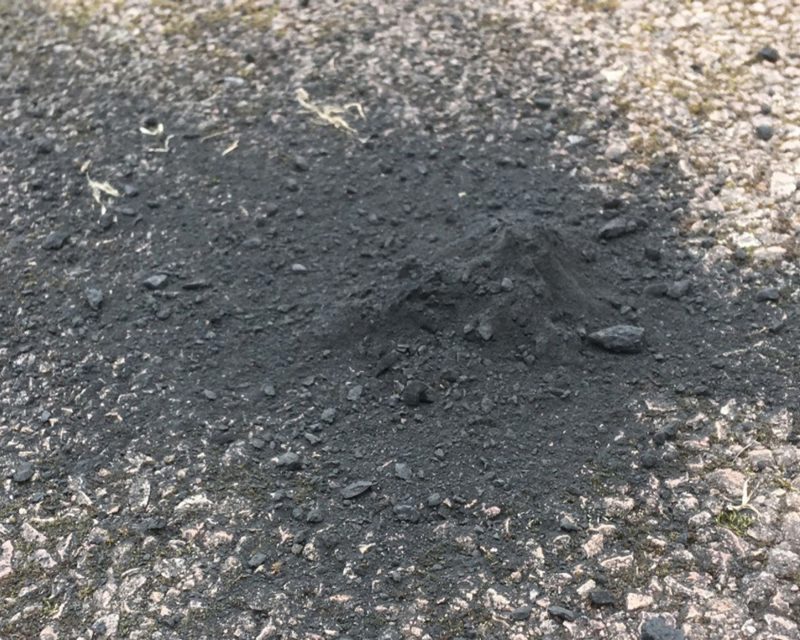
The 4.6 billion-year-old meteorite is one of the best preserved in the world
Although there have been plenty of meteorites found across Earth, the Winchcombe meteorite is one of the best preserved in the world. That’s because it was collected within hours of landing, meaning there was little contamination from the outside world. From there, researchers were able to polish and heat the rock before blasting it with x-rays to study just what’s inside this ticket to the start of the planet. It wasn’t long before they discovered the meteorite must have been orbiting around Jupiter before it crashed on our planet and that 11% of the space rock is water.
The hydrogen in the meteorite reveals similar properties to water on Earth
The key to finding out how the Earth got its water is taking a look at the water inside the Winchcombe meteorite and how it’s made. It turns out it comes in two forms, and it’s all down to hydrogen. Part of the mass is made from normal hydrogen, while the other is what makes “heavy water” - a hydrogen isotope called deuterium. Believe it or not, but the ratio of both compounds is the same as that found on Earth, meaning there’s a very good chance that the two sources of water came from the same origin. On top of this, the meteorite was filled with amino acids, which are known to be the building blocks for proteins and life.
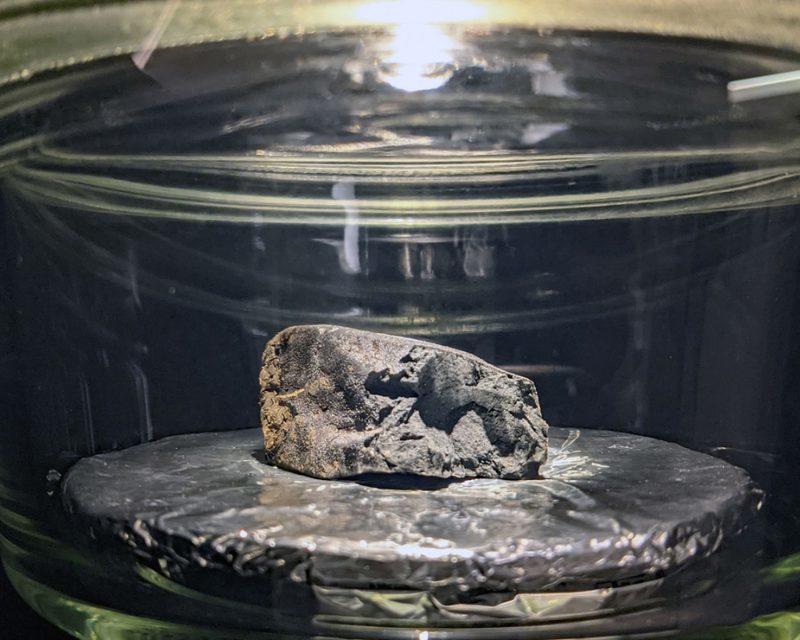
Researchers will need years of work before they can draw any conclusions
Although researchers have found out plenty about the billion-year-old meteorite, there is still a long way to go before they have all the answers. In fact, they believe it could be years before they understand everything about the Winchcombe meteorite. To top it off, researchers need to investigate other space rocks that are known to be floating around the solar system. This includes Ryugu, which is known to have certain building blocks that helped life to form. Until we have a look at all the rocks on offer, there are still more questions that need answering about how the Earth got its water.
When it comes to how the Earth got its water, the Winchcombe meteorite has given us the most definitive answers to date. Still, years of research are still needed before we have all the answers we need.
You May Also Like
 Education
The Difference Between Correlation and Causation
 Science
Why Some Studies Cannot Be Replicated
 Science
How to Tell a Breakthrough From a Press Release