Forgotten Facts About The Forgotten Procedure, The Lobotomy

A lobotomy is an old medical procedure that most would try to forget. The process involved severing connections to certain brain parts, specifically the prefrontal cortex. Although the practice has long always received backlash, specific interesting facts about the method remain. Be that as it may, many people still remember a lobotomy as a procedure used to try and cure mental illnesses.
Many recorded facts have their history rooted in practice. Lobotomies had a rough and violent start but made it into medical journals and history books until the late 1960s. Some facts have long been forgotten, just as the procedure has been forgotten. Although the idea of lobotomy has long been forgotten, interesting facts remain.
Performing lobotomies is an ancient practice
Most notably, lobotomies have their history rooted in trephination. Trephination is one of the oldest medical procedures that has been recorded. It involves drilling circular holes into the skull and was used as a measure to relieve pressure or treat wounds in the head. Although the practice was widespread during the Renaissance, it is also a long-forgotten medical procedure.
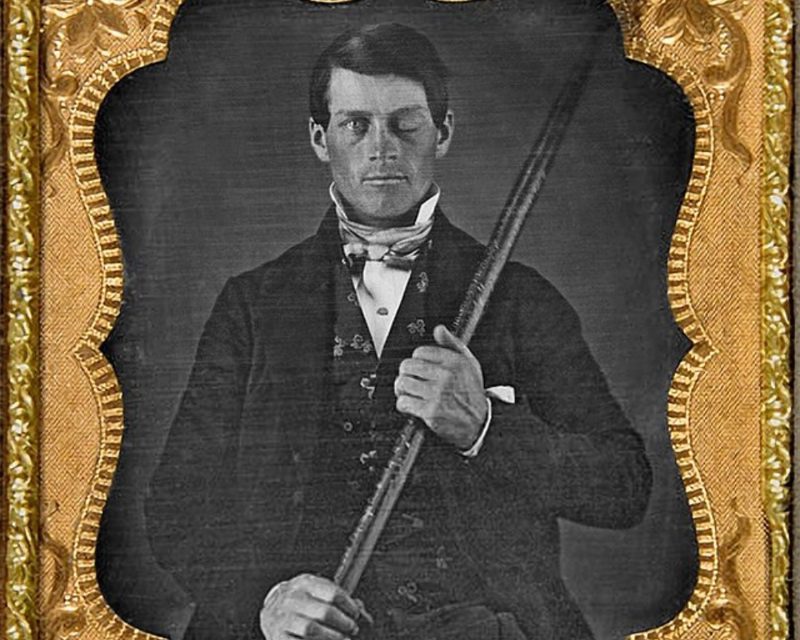
The "American Crowbar Case" became an accidental lobotomy story
Phineas Gage was a railway construction foreman until one day, he received an accidental and unexpected lobotomy. In 1848, while working on the railway, a massive explosion sent a metal bar flying through Phineas Gage's skull, tearing through his prefrontal lobe. Amazingly, he survived. However, it was noted that he was not the same after the accident. Phineas was known to be a friendly man, but the accident changed his personality, and he was known for being rude. This proved to be a great development for the medical experts of the time. Phineas passed away from a seizure after 12 years.
The first brain surgery to treat a mental disorder was done in the 1880s
Doctor Gottlieb Burckhardt was the first medical professional recorded to perform brain surgery to treat a mental disorder. Although lobotomies have been known to treat head injuries, not many were known to be done in the name of psychology. He performed surgery on six patients who were known to have schizophrenia. Only three of the patients were reported to have seen any improvement, while two others had seen no improvement. The last patient did not survive the procedure. Burkhardt was heavily criticized for the reckless approach and the dangerous nature of the operation.
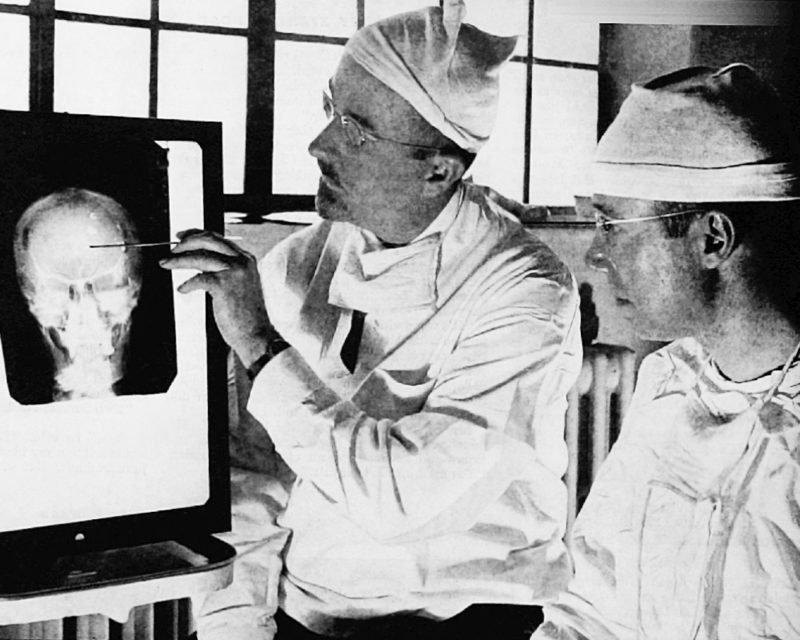
Some of the most lobotomies recorded were done by one man
From the 1930s to 1960, one man operated and performed over 3,500 lobotomies over the course of his career. Dubbed the father of lobotomy, Walter Jackson Freeman performed many lobotomies until 1967, when his last recorded lobotomy was done. Unfortunately, the patient passed away during the procedure, which was why the method stopped.
The end of the lobotomy came swiftly by the hand of medication
Although lobotomies were generally practiced in the US up until the late ‘60s, it wasn't until effective medicinal advancements were made that saw the demise of the idea of lobotomies. During the ‘50s, medication was in, and lobotomies started to lose popularity as the antipsychotic medicine grew as the method of treatment instead.
Looking through the lens of history, we can often distinguish between the pros and cons that the procedure brought to the table. However, taking a look at the history of the lobotomy, many can see the medical field has learned a lot and taken away many valuable lessons from its saga.
You May Also Like
 Education
The Difference Between Correlation and Causation
 Science
Why Some Studies Cannot Be Replicated
 Science
How to Tell a Breakthrough From a Press Release