The Source Of Kidney Stone Pain Might Surprise Many

The human body is a weird and wonderful thing. Most of the time, most people have no issues that hold them back apart from the occasional headache or days of feeling a little under the weather. Then there are times that pain that feels out of this world takes over and leaves us crippled. Sound familiar?
It turns out that some of that pain might actually be down to kidney stones, a condition that affects over one in ten people. They’re most common in people aged 30 to 60 years old and can be debilitating for many. Still, the source of kidney stone pain might surprise many.
What do kidneys do?
Most people are born with two kidneys that are vital to living a healthy life. Their job is to filter out any waste products from our blood while leaving things like hormones, glucose, amino acids, and vitamins in our bodies. Everything that isn’t needed is then sent to our bladder, where it’s passed out of our body, with our kidneys working their way through over 50 gallons of fluid in just 24 hours each day. In that time, most people’s kidneys will eliminate around 64 ounces of waste and keep our bodies working.
What are kidney stones?
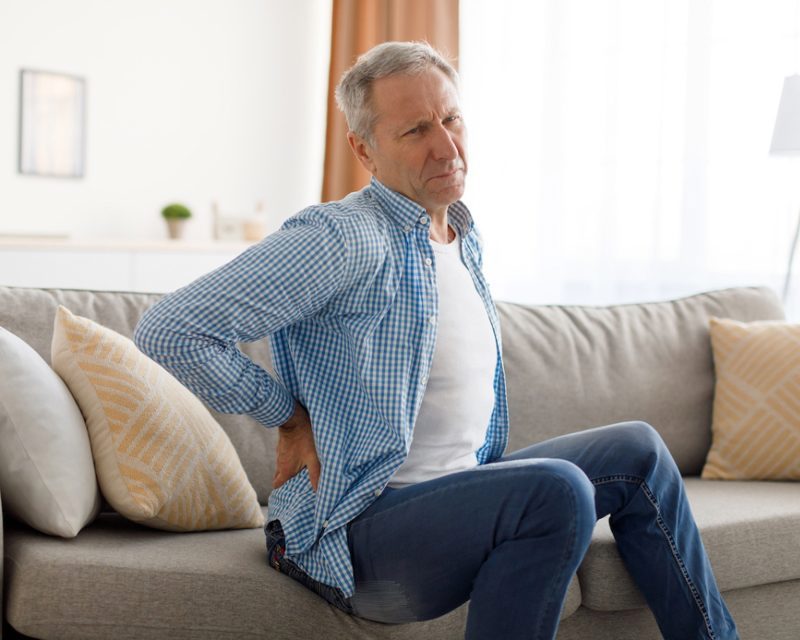
Just because our kidneys are in charge of getting rid of waste products doesn’t mean that things always go to plan. Sometimes, there are too many products in our blood that can lead to a buildup of certain crystals, which eventually form kidney stones. Calcium oxalate kidney stones are the most common type of kidney stones, but others can cause issues depending on the waste products that are left behind. While kidney stones can sometimes be passed without too many issues, they can often get stuck or cause pain while traveling from the kidney to the bladder down the ureter, leading to intense backache.
Why do kidney stones hurt so much?
Plenty of people who have suffered from kidney stones have compared the pain to childbirth, but why do kidney stones hurt so much? Many believe that it’s due to the stone itself in the ureter or if it’s particularly large or has rough edges. It turns out the act of the stone passing down the ureter isn’t the thing that causes so much pain. Instead, it’s what happens when it gets stuck. Blocking the ureter means the waste products from our bodies have nowhere to go, forcing it to swell up in the ureter and our kidneys. It’s this stretching that actually causes the pain, which is why the pain is usually in our back. When our kidneys swell, they push on the nerves in the area and lead to the extreme discomfort often felt with kidney stones.

Does it hurt to pass a kidney stone?
One thing many people with kidney stones worry about is the pain it will cause to pass them once they have finally worked their way through or we seek medical treatment. It turns out the passage where our kidney stones will eventually pass is actually around twice the size of the ureter, meaning most people have no idea that they have passed their kidney stones. Still, not everyone agrees. Some sufferers claim they know when their stones are on the way out as it feels like a sharp pain. Whatever the case, once they’re gone, it’s all about making lifestyle changes to try and avoid a buildup of further kidney stones in the future.
The source of kidney stone pain might surprise many, as the pain doesn’t come from the kidney stones themselves moving or passing them out of our bodies. Instead, it’s what happens when they get stuck that sees so many people crippled with pain.
You May Also Like
 Education
The Difference Between Correlation and Causation
 Science
Why Some Studies Cannot Be Replicated
 Science
How to Tell a Breakthrough From a Press Release