The Climate Tech Ideas Worth Understanding
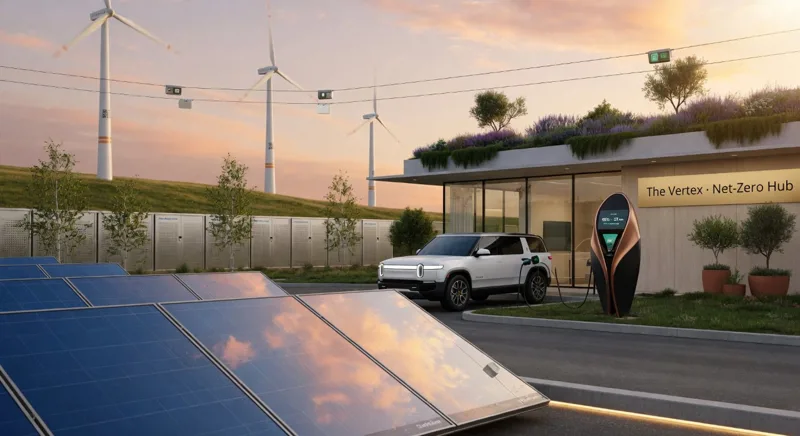
Climate technology is no longer limited to futuristic inventions. The most important climate tech ideas worth understanding already include renewable energy, electric transport, heat pumps, energy storage, low-carbon fuels, carbon removal, and smarter infrastructure.
Why Climate Technology Matters
Climate tech describes products, systems, and processes that reduce greenhouse gas emissions, improve energy efficiency, or help communities adapt to climate risks. It spans household technology, industrial equipment, financial markets, agriculture, construction, and public infrastructure.
The goal is not to find one perfect solution. Climate change is a systems problem, so progress depends on combining technologies that address electricity, buildings, transportation, industry, food, and land use.
1. Renewable Energy Is the Foundation
Solar power and wind energy are among the most commercially established climate technologies. Solar photovoltaic panels convert sunlight directly into electricity, while wind turbines use moving air to generate power.
These technologies are increasingly competitive. In 2024, 91% of newly commissioned utility-scale renewable capacity produced electricity at a lower levelized cost than the cheapest newly installed fossil-fuel alternative.[1]
- Solar energy: Flexible systems ranging from rooftop panels to large solar farms.
- Onshore wind: One of the lowest-cost options for new electricity generation.
- Offshore wind: Larger turbines with access to stronger, more consistent winds.
- Geothermal power: Reliable electricity and heating from underground heat.
- Hydropower: Dispatchable renewable electricity, although location and ecological impacts matter.
The biggest challenge is variability. Solar generation falls at night, and wind output changes with weather. That makes grid flexibility and energy storage essential.
2. Energy Storage Makes Clean Power More Useful
Energy storage helps balance supply and demand. Batteries can store electricity when renewable generation is high and discharge it when demand rises.
Key Storage Technologies
- Lithium-ion batteries: Widely used in electric vehicles and short-duration grid storage.
- Flow batteries: Designed for longer-duration stationary applications.
- Pumped-storage hydropower: Uses reservoirs to store energy at large scale.
- Thermal storage: Stores heat or cold for buildings and industrial processes.
- Hydrogen storage: Potentially useful for seasonal energy storage and heavy industry.
Battery storage costs, mineral supply chains, recycling, fire safety, and project financing remain important considerations. Storage does not replace the need for transmission, but it can make renewable electricity more dependable.
3. Electrification Can Cut Fossil Fuel Use
Electrification means replacing direct fossil-fuel combustion with efficient electric technology. This is one of the clearest climate strategies because electricity can become progressively cleaner as renewable energy expands.
Electric vehicles are a familiar example. They convert more of their energy into movement than gasoline vehicles and can be powered by increasingly low-carbon electricity.
Heat pumps apply the same principle to buildings. Instead of creating heat by burning fuel, they move heat from outside air, the ground, or another source. Modern heat pumps can provide both heating and cooling while reducing household energy use.
Industrial electrification is more complicated. High-temperature manufacturing may require electric arc furnaces, induction heating, upgraded power systems, or alternative fuels such as hydrogen.
4. Green Hydrogen Targets Difficult Sectors
Hydrogen is not an energy source; it is an energy carrier. When produced using renewable electricity and water, it is commonly called green hydrogen.
Direct electrification is usually more efficient for cars and ordinary building heating. Hydrogen may be more useful where batteries or direct electricity are difficult to apply, including:
- Steel and chemical manufacturing
- Long-distance shipping
- Some aviation fuels
- Seasonal energy storage
- Industrial processes requiring hydrogen as a feedstock
The main barriers include the cost of electrolyzers, access to low-cost renewable electricity, storage, transportation, and the development of reliable hydrogen infrastructure.
5. Carbon Capture and Carbon Removal Are Different
Carbon capture and storage, or CCS, captures carbon dioxide from industrial facilities or power plants before it reaches the atmosphere. The gas is then transported and stored underground.
Carbon dioxide removal, or CDR, removes carbon that is already in the atmosphere. Methods include reforestation, soil carbon management, biochar, direct air capture, enhanced weathering, and bioenergy with carbon capture and storage.
These approaches may help address emissions that are difficult to eliminate, but they are not substitutes for reducing fossil-fuel use. Carbon removal can be expensive, energy-intensive, and difficult to verify at scale. Durable storage, transparent measurement, and responsible land use are essential.
6. Methane Detection Offers Fast Climate Benefits
Methane is a powerful greenhouse gas released by oil and gas operations, landfills, agriculture, and wastewater systems. Satellites, aircraft, drones, and ground sensors can identify leaks that were previously difficult to locate.
Fixing methane leaks can deliver rapid climate benefits while also reducing wasted natural gas. This makes methane monitoring an important climate tech investment alongside long-term decarbonization.
7. Smart Buildings and Grids Improve Efficiency
Energy efficiency is often the most affordable way to reduce emissions. Smart thermostats, building-management software, efficient appliances, insulation, advanced windows, and demand-response systems can lower energy consumption without sacrificing comfort.
Smart grids use digital controls, sensors, forecasting, and automated pricing to coordinate electricity generation and demand. Distributed energy resources such as rooftop solar, home batteries, and electric vehicles can become valuable grid assets when managed effectively.
What to Watch Next
The most promising climate tech ideas are not judged only by technical potential. They must also be affordable, scalable, reliable, safe, and compatible with real-world infrastructure.
- Long-duration energy storage
- Low-carbon cement and steel
- Advanced geothermal energy
- Electric aviation and sustainable aviation fuels
- Carbon removal with durable storage
- AI-powered energy management and climate modeling
- Climate-resilient water and agricultural systems
Conclusion
The climate tech ideas worth understanding are connected rather than isolated. Renewable energy supplies cleaner electricity, storage improves reliability, electrification reduces fossil-fuel demand, and digital systems make infrastructure more responsive. Hydrogen, carbon capture, methane detection, and carbon removal can address harder problems.
The most effective climate strategy combines emissions reduction, efficiency, responsible innovation, and adaptation. Understanding how these technologies work—and where their limitations lie—makes it easier to evaluate climate claims and recognize solutions capable of scaling in the real world.
You May Also Like
 Education
The Difference Between Correlation and Causation
 Science
Why Some Studies Cannot Be Replicated
 Science
How to Tell a Breakthrough From a Press Release