Do Bees Really Have Knees?

Have you ever used the phrase "the bee's knees?" Admittedly, the saying isn't as popular as it used to be, although you might still hear it floating around from time to time. You should certainly take it as a compliment if anyone ever throws it your way, given that it's used to praise someone or something. Where did it even come from, though?
Apparently, its usage relates back to the 1920s when it was common to compare things to parts of an animal. Cartoonist Tad Dorgan is allegedly responsible, and he's supposedly also the reason we have phrases like "the cat's pajamas." The thing is, do bees really have knees? It's not something we've ever given much thought to before, but we feel it's something that we need to investigate further.
A bee's body is designed very differently from a human's
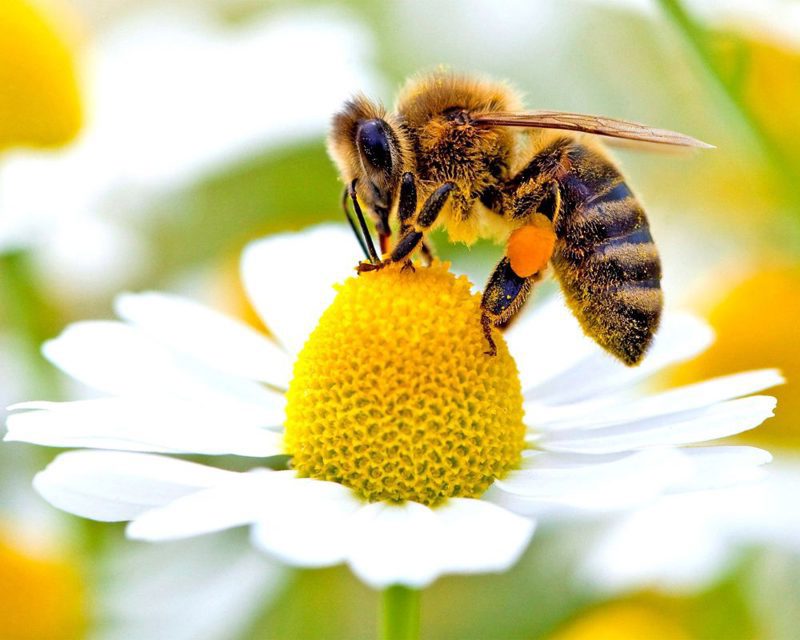
When we think of knees, we think of the ones that are part of our own bodies. These are formed of three bones - the femur, tibia, and patella - and work with the help of various ligaments, tendons, and cartilage. Knowing the size of our knees, it might be hard to imagine a small insect like a bee having a similar structure. What's more, given that these creatures are invertebrates, their bodies work differently from our own. Bees actually have an exoskeleton formed of chitin which keeps their insides safe. However, while this might all seem to point in one direction, that doesn't automatically mean that these insects don't have knees.
Bees do not have what we would consider to be knees
Unfortunately, this doesn't mean that the answer to the question "do bees really have knees?" is yes. According to a researcher at Oregon State University, their legs are not designed in a way that means they have this body part. Instead, the legs apparently feature six different segments held together by a chitin joint. Although those segments do include things that are in our own legs - notably the femur and tibia - that doesn't mean they're joined together by a knee. According to the Oregon State researcher, the joint between these two segments is no different than the ones that connect all the others.
"The bee's knees" is hardly the first saying that doesn't make much sense
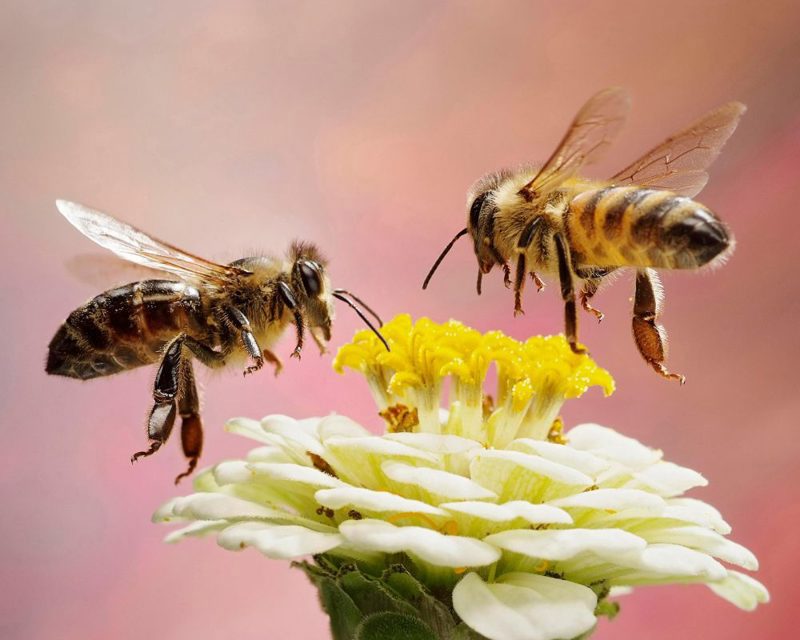
Given that the saying "the bee's knees" has been around for a century, it's hard to comprehend the fact that bees don't actually have knees. However, this is hardly the first time that a common saying has been nonsensical. The English language is full of words and phrases that don't necessarily make sense, but we don't tend to think too deeply about this because we're so used to them. The saying probably wouldn't have caught on if Tad Dorgan had called it "the bee's ball-and-socket joint" or "the bee's chitin joint." "The bee's knees" rolls off the tongue so much better, which is why it became so popular, regardless of whether it was based in reality or not.
It's disappointing to find out that bees don't really have knees. However, at least we now know how their legs actually work, so we can feel good that we've learned something.
You May Also Like
 Education
The Difference Between Correlation and Causation
 Science
Why Some Studies Cannot Be Replicated
 Science
How to Tell a Breakthrough From a Press Release